
Health
Why Dental Health Is Becoming a Daily Priority

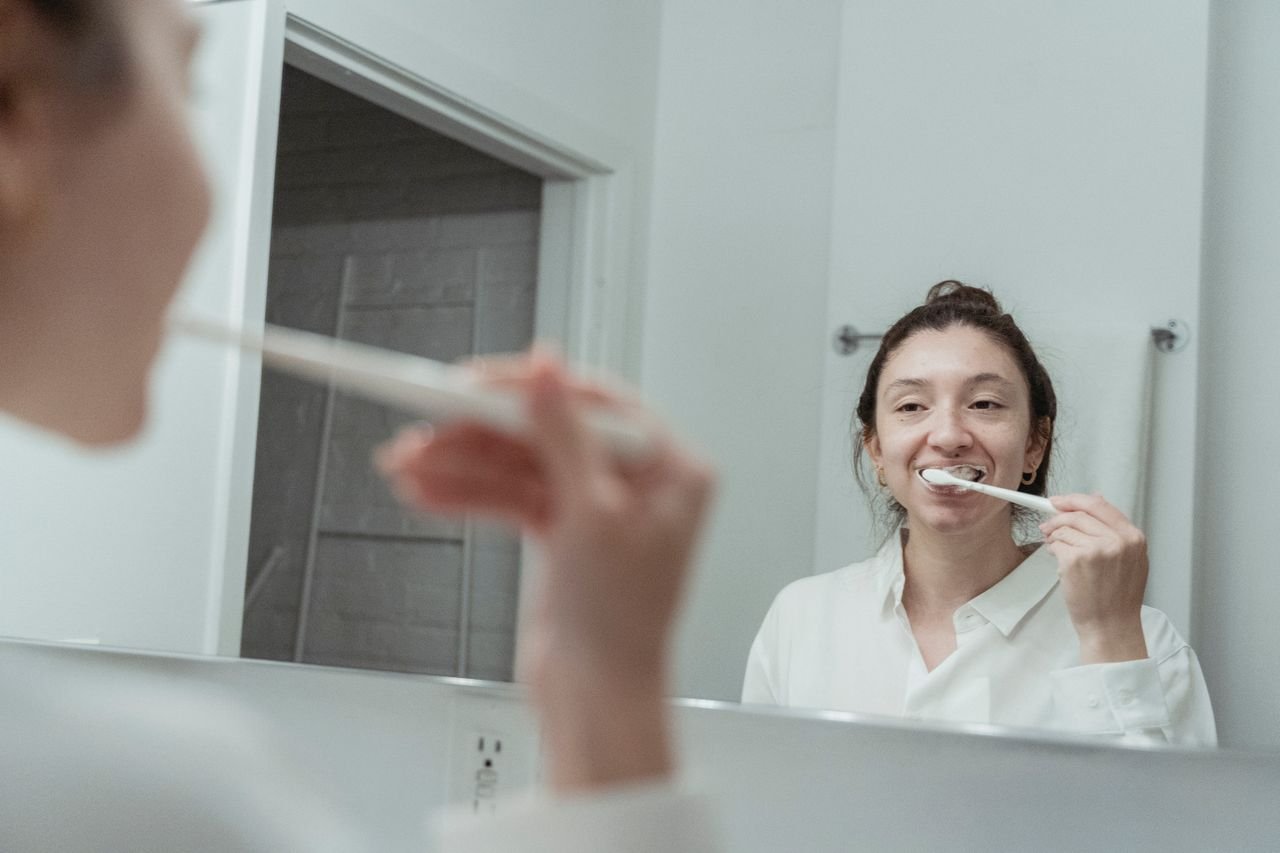
Not long ago, many people only visited the dentist when a tooth started to hurt. That pattern is changing. More people now treat their teeth and gums as part of everyday health, in the same way they think about diet, sleep and exercise.
There are good reasons for this shift. Advice on mouth care is easier to find than ever, and many people now understand how oral health links to general wellbeing. Even careful people can still lose a tooth through decay, gum disease or an accident. When that happens, the next question is usually simple: what should I do now?
Small Daily Habits Make a Real Difference
Daily care is the foundation of good dental health. It helps control plaque, the sticky film of bacteria that forms on teeth. If plaque builds up, it can lead to tooth decay and gum problems over time. For people considering Dental Implants Newcastle, maintaining healthy gums and surrounding teeth is also an important part of preparing for treatment and looking after implants in the long term.
Simple habits can help:
- Brushing twice a day with fluoride toothpaste
- Cleaning between the teeth every day
- Keeping sugary snacks and drinks to mealtimes
- Booking regular check-ups, even when nothing feels wrong
Check-ups matter because problems often start quietly. A dentist can spot early signs of trouble long before pain appears and advise on suitable care before considering treatments such as dental implants.
Why a Missing Tooth Affects More Than Your Smile
A gap at the back of the mouth may seem unimportant, especially if it cannot be seen when you smile. However, tooth loss can affect several areas of daily life:
- Appearance and confidence, particularly with front teeth
- Chewing, which can become harder with fewer back teeth
- Speech, where tongue position or airflow may change
- Neighbouring teeth, which may tilt or drift into the space
- Jawbone, which can gradually shrink without the stimulation of a tooth root
These effects vary from person to person. The position of the tooth, the health of the surrounding teeth and the time since the tooth was lost all play a part. That is why a check-up is useful before deciding what to do next.
Comparing Your Options for One Missing Tooth
There are three common ways to replace a single tooth. Each has its strengths and limits, and the right choice depends on the individual.
| Option | How it works | Things to consider |
| Dental implant and crown | A titanium-alloy post is placed in the jawbone, with a crown fixed on top | Needs surgery and a healing period of several months. Does not rely on neighbouring teeth |
| Traditional bridge | A false tooth is held in place by crowns on the teeth either side | No implant surgery is needed, but healthy neighbouring teeth may need to be prepared |
| Removable partial denture | A removable replacement tooth held in place by clasps or supports | Does not need surgery and is simpler to add, but it is less stable and must be removed for cleaning |
Dental Implants Newcastle: How a Single Implant Works
Many people looking into Dental Implants Newcastle want to understand the basics first. A single dental implant replaces the root of one missing tooth and supports one crown. It has three main parts:
- Implant post: a small, screw-shaped part placed in the jawbone
- Abutment: a connector that joins the post to the crown
- Dental crown: the visible tooth, designed to match natural teeth
The process usually follows these steps:
- An initial consultation and examination
- A review of medical history, along with X-rays and, where needed, 3D scans
- Placement of the implant post in the jawbone under anaesthesia
- A healing period while the bone bonds to the implant, a process called osseointegration
- Attachment of the abutment once healing is sufficient
- Fitting of the final crown
Healing commonly takes several months, although the timing varies from patient to patient.
Is a Dental Implant Suitable for You?
Suitability depends on several factors. Healthy gums, good oral health and enough bone in the jaw to hold the implant securely are all important. General health matters too, as does the ability to keep the area clean every day.
Some conditions need extra assessment rather than an automatic refusal. These include:
- Diabetes, particularly if it is poorly controlled
- Osteoporosis and the medicines used to treat it
- A history of gum disease
- Smoking, which is linked with a higher risk of implant problems
- Teeth grinding, which can place extra force on the crown
Only a dentist can decide whether treatment is right after reviewing medical history, medicines and imaging. Medicines should never be stopped without advice from the prescribing doctor.
What to Expect During Recovery and Aftercare
Anyone considering Dental Implants Newcastle treatment should know what recovery involves. After surgery, mild soreness, swelling, bruising and minor bleeding can occur. Swelling often appears in the first two days and usually eases over the following week. Numbness from anaesthetic can last for a few hours, so take care not to bite your cheek or tongue.
Helpful steps during early recovery include:
- Following the written instructions from the dental team
- Keeping physical activity light for the first few days
- Choosing soft foods until you are advised otherwise
- Avoiding brushing directly over the surgical site until the team says it is safe
Long-term care is just as important. Brush and clean between your teeth every day, attend regular check-ups and contact your dentist straight away if you notice a loose crown, pus, fever or bleeding that does not stop. Implants can last many years with good care, but no outcome can be guaranteed. Results depend on oral hygiene, gum health, biting forces and ongoing maintenance.
Making Dental Health Part of Everyday Life
Caring for your teeth is becoming a daily habit for many people, and that is a sensible approach. Good routines protect natural teeth and can reduce the chance of bigger problems later. When a tooth is lost, replacement options such as implants, bridges and dentures each offer a different route back to comfortable chewing and a natural-looking smile. Dental Implants Newcastle can be one part of that plan, but the best choice always depends on the individual. Anyone thinking about their options can find more information at denmarkstreetdentalpractice.co.uk, where the team explains consultations, assessments and treatment choices for people in Newcastle and Gateshead.
Key Takeaway
- Daily brushing, cleaning between teeth and regular check-ups protect your teeth and gums.
- A missing tooth can affect chewing, speech, appearance and the teeth around it.
- A single dental implant replaces the tooth root and supports one crown without relying on neighbouring teeth.
- Suitability depends on gum health, bone quality, general health and your ability to keep the area clean.
- Healing takes time, and long-term results depend on good aftercare and regular dental reviews.
READ ALSO: Investigating Cellulogia and Why No Real Company Stands Behind It


Who Is Ellis Segura? Meet Tom Segura and Christina Pazsitzky’s Son

Who Is Aanisah Hinds? Examining an Unverified Name Connected to Macy Gray’s Daughter

Best Composite Bonding Treatments in Middlesbrough and Where to Find Them

Who Is William Lancelot Bowles Jr.? The Intriguing Untold Tale of Phylicia Rashad’s Ex-Husband

Who Is Chanelle Haynes? The Fascinating True Story of Cornell Haynes III’s Sister

The Inspiring Story of Kelly Davis Rucker: From Struggle to Success
-
 Celebrity5 months ago
Who Is William Lancelot Bowles Jr.? The Intriguing Untold Tale of Phylicia Rashad’s Ex-Husband
-
 Celebrity5 months ago
Who Is Chanelle Haynes? The Fascinating True Story of Cornell Haynes III’s Sister
-
 Celebrity5 months ago
The Inspiring Story of Kelly Davis Rucker: From Struggle to Success
-

 Technology3 months ago
Voozon.com Review: Is It Legit? Features, Benefits, and What to Know
-

 Celebrity2 months ago
Who Is Noah Wilde West? Everything to Know About Chyler Leigh’s Son
-

 Celebrity2 months ago
Who Is Dallas Yocum? The Fascinating Life Story of Mike Lindell’s Ex-Wife
-

 Blog3 months ago
Who Is Cassandra Jade Estevez? The Captivating Life Behind Casey Huffman Wife
-

 Business3 months ago
UploadArticle.com Review: Is It the Best Free Platform to Upload Articles?