
Fashion
How to Build a Small Sleepwear Wardrobe You’ll Actually Use

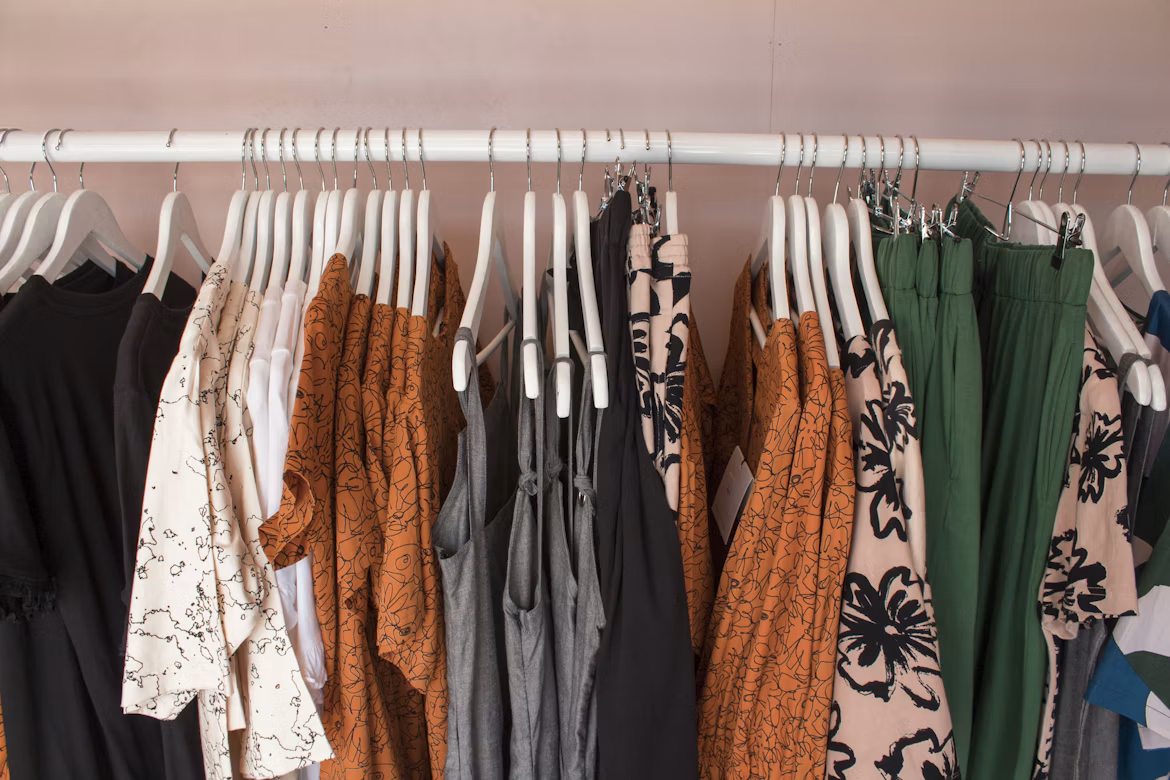
The sleepwear drawer is an easy place to lose track of what you own. An old T-shirt becomes a pajama top, a gift set stays folded because the waistband feels wrong, and a robe takes up space without ever leaving its hook. Meanwhile, the same comfortable pieces go through the wash every week.
A small sleepwear wardrobe starts with those repeat choices. Which clothes do you reach for, and what makes them work? Once you know the answer, you can build a useful rotation without buying a separate outfit for every season or occasion.
Start with a week of real habits
Before shopping, observe an ordinary week. Note what you sleep in, what you change into after work, and whether you need something to put on while making breakfast or answering the door.
These situations overlap, but they are not identical. A loose sleep shirt may be comfortable in bed yet feel too exposed in a shared household. Lounge pants may work for television but twist around your legs overnight. Notice the gap rather than assuming one item must do everything.
Sort your existing pieces into three groups: comfortable now, useful with a small adjustment, and consistently avoided. A loose button is worth repairing. A fabric you dislike against your skin is unlikely to become a favorite because you keep it longer.
Keep the pieces that earn their space through use, not the ones that simply look coordinated in a drawer.
Choose a base outfit around your sleeping preferences
Your base is the combination you can wear on an ordinary night. Think about coverage, movement, and the temperature you prefer in the bedroom.
Someone who dislikes fabric around the legs may prefer shorts or a sleep shirt. Someone who gets chilly before bed may appreciate long sleeves, then use lighter bedding. There is no universal best shape.
Try the movements you actually make: sit with your knees bent, reach overhead, lie on your side, and turn over. Check whether buttons pull across the chest, cuffs press into your wrists, or the waistband becomes distracting when seated.
When comparing women’s silk pajama sets, look beyond the color and sheen. Check the garment measurements, fabric composition, sleeve shape, and whether the rise and leg width suit you. Silk can be a pleasing choice, but the material cannot rescue an uncomfortable cut.
A matching set gives you a ready-made combination. Separates offer more flexibility when your top and bottom sizes differ. Choose the arrangement that makes getting dressed easier.
Let laundry determine the size of your rotation
A useful wardrobe needs enough pieces to cover washing and drying. That number depends on your routine rather than a fixed rule.
If you wash frequently and have reliable drying space, a smaller rotation may work. If laundry happens once a week, or your preferred garments need careful air-drying, you may need another outfit to prevent a shortage.
As a planning example, imagine three wearable combinations: one in use, one available, and one being washed or dried. This is a starting point to test, not a required capsule wardrobe formula. Your needs may be simpler or more demanding.
Do not count clothing you avoid as backup. If a set is too tight or too worn to use comfortably, it does not provide a meaningful spare. Better to identify the missing function before buying several near-duplicates.
Add layers before buying separate seasonal wardrobes
Seasonal changes do not always require entirely different sleepwear. A light base and a removable layer may cover a wider range of evenings.
A cardigan can make reading in bed more comfortable. A robe provides an easy layer between getting up and dressing. Slippers can be useful on a cold floor without changing what you wear under the covers.
For a lighter, fluid layer, women’s silk robes are one option to compare. Think about length, sleeve width, and how securely the robe closes. A sweeping sleeve may look elegant but become inconvenient when preparing breakfast; a longer hem may need more care around stairs.
Robes are not substitutes for every task. Change into suitable clothing for cooking near heat or doing household work. The purpose of the layer is to support your routine, not to make one garment perform every role.
Make color coordination easy, not restrictive
A small wardrobe becomes easier to use when most tops and bottoms can work together. That does not mean everything must be beige, black, or perfectly matched.
Choose a base color you already enjoy, then add one or two compatible shades. Navy might work with cream and soft blue; a patterned top might pair with plain bottoms that repeat one of its colors.
Allow for favorites that break the palette. A sleepwear drawer is not a display installation. If a bright print makes you happy and the outfit is comfortable, it can belong without coordinating with every other piece.
Separate the idea of a coherent wardrobe from the pressure to replace things. Start by combining what you own. Buy only when you can name the job the new item will do.
Read fabric descriptions with your routine in mind
Fabric names are useful only when you understand what they describe. Silk is a fiber; satin is a weave that can be made from silk or other materials. A shiny surface does not, by itself, tell you the composition.
Read the full label, including any added stretch fibers, and check the care instructions before ordering. If an item requires care you cannot realistically provide, it may become another piece that stays unworn.
Consider your preferences, too. Do you enjoy a smooth, fluid feel, or do you prefer the familiar texture of cotton? Does the fabric move quietly when you turn? Is the surface comfortable against your bedding?
Avoid buying sleepwear on the promise that one material will transform your sleep. Fit, room conditions, bedding, and personal preference all shape the experience. Choose clothing for its actual usefulness and feel.
Give the drawer a simple layout
Store complete sets together if you usually wear them that way. If you mix separates, organize by tops and bottoms so you can see the available combinations.
Keep frequently worn pieces within easy reach. Store occasional or seasonal items separately, clean and completely dry, rather than burying daily clothes under them. Follow any storage instructions for delicate fabrics.
A quick check after laundry helps keep the system working. Replace a missing button, notice elastic that no longer feels comfortable, and retire items when you have a usable alternative.
The test comes on an ordinary evening. You should be able to open the drawer, choose something comfortable, and move on with your night. A small wardrobe succeeds when it removes that decision from your list of things to manage.


Bookkeeping Errors That Trigger HMRC VAT Return Queries
Hiring Your First Employee: A Payroll Checklist for UK Small Businesses

Sorting Out Theboringmagazine Com From Its Lookalike Domains

Who Is William Lancelot Bowles Jr.? The Intriguing Untold Tale of Phylicia Rashad’s Ex-Husband

Who Is Chanelle Haynes? The Fascinating True Story of Cornell Haynes III’s Sister

The Inspiring Story of Kelly Davis Rucker: From Struggle to Success
-
 Celebrity4 months ago
Who Is William Lancelot Bowles Jr.? The Intriguing Untold Tale of Phylicia Rashad’s Ex-Husband
-
 Celebrity4 months ago
Who Is Chanelle Haynes? The Fascinating True Story of Cornell Haynes III’s Sister
-
 Celebrity4 months ago
The Inspiring Story of Kelly Davis Rucker: From Struggle to Success
-

 Technology2 months ago
Voozon.com Review: Is It Legit? Features, Benefits, and What to Know
-

 Celebrity2 months ago
Who Is Dallas Yocum? The Fascinating Life Story of Mike Lindell’s Ex-Wife
-

 Celebrity2 months ago
Who Is Noah Wilde West? Everything to Know About Chyler Leigh’s Son
-

 Blog2 months ago
Who Is Cassandra Jade Estevez? The Captivating Life Behind Casey Huffman Wife
-

 Business2 months ago
UploadArticle.com Review: Is It the Best Free Platform to Upload Articles?