
Health
Best Composite Bonding Treatments in Middlesbrough and Where to Find Them

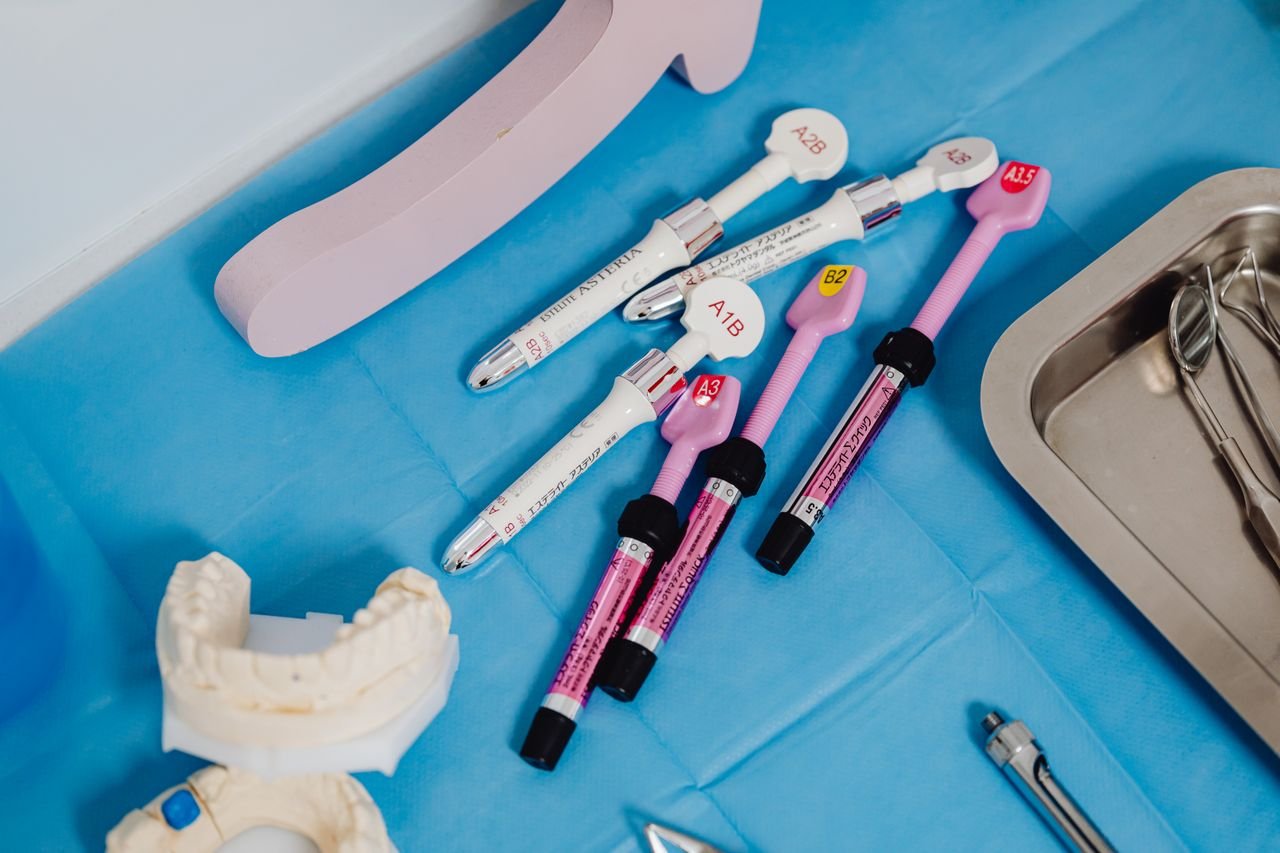
Bonding is a dental treatment in which tooth-coloured resin is applied to a tooth, shaped by hand and hardened with a special light. It is used for small chips, narrow gaps and uneven edges when the teeth and gums are healthy. In Middlesbrough, it is one of several options for improving a smile, alongside veneers, crowns and tooth replacement, and the right choice depends on the size of the problem.
That is the short answer. The sections below explain each option in plain English, what happens in the chair, and what to look for when choosing a practice.
What Does “Best” Really Mean for a Chipped or Gapped Tooth?
There is no single best treatment, only the best match for a particular tooth. A tiny chip on a front tooth needs a very different approach from a broken tooth or a mouth with missing teeth. The condition of the gums, the amount of healthy enamel and the way the teeth bite together all shape the decision, which is why an assessment matters more than any ranking list.
Treatment Options at a Glance
| Option | Best suited to | Main idea |
| Direct resin bonding | Small chips, small gaps, uneven edges | Resin built up and shaped on the tooth |
| Porcelain veneers | Wider colour or shape changes | Thin shells made separately and fitted to the teeth |
| Crowns | Heavily damaged or broken teeth | A cap that covers the whole tooth |
| Implant-based treatment | Missing teeth | Implants support replacement teeth |
The Gentle Option: How Bonding Works
Composite bonding is considered a conservative treatment because it involves adding tooth-coloured resin while preserving most of the natural tooth structure. Patients interested in composite bonding in Middlesbrough can visit westmountdentalsurgery.co.uk to learn how the treatment works, which dental concerns it can address and what follow-up care may involve. Common uses include:
- Chips on the edges of front teeth
- Small spaces between neighbouring teeth
- Teeth that look short, narrow or slightly uneven
- Stains in one spot that whitening cannot shift
Dentists also separate cosmetic work from restorative work. A cosmetic change alters appearance, such as closing a small gap. A restorative change rebuilds structure lost to a chip or fracture. Bonding can do both, but it should never be used to cover active decay, which must be treated first.
How Bonding Compares With Veneers and Crowns
Porcelain veneers generally resist staining better and tend to last longer, but they are usually less conservative and cannot be repaired in the same easy way if they chip. Bonding is often simpler to touch up, although the resin can stain and lose its shine over time. Crowns suit teeth that are heavily damaged or have lost a lot of structure, which bonding is not designed to rebuild. The best option depends on how much tooth is left and what the patient wants to change.
A Visit From Start to Finish
- Assessment: The dentist checks the teeth, gums, enamel and bite, and talks through the desired result. X-rays or digital images may be used.
- Shade selection: A resin colour is chosen to blend with the natural teeth.
- Surface preparation: The tooth is cleaned and lightly treated with an etching solution, which creates tiny rough areas so the adhesive can grip.
- Adhesive and resin: A bonding agent is applied, then the resin is added and moulded into shape.
- Hardening: A curing light sets the material.
- Bite check and polish: Excess material is removed, the bite is checked and the surface is polished until smooth.
Many cases are finished in one appointment, although this depends on the number of teeth and the size of the repair.
Who Is Likely to Be Suitable?
Bonding may suit people who have:
- Healthy teeth and gums
- Enough sound enamel for the resin to attach to
- Small, localised flaws rather than large breaks
- A stable bite without heavy grinding
Active decay, significant gum disease, large fractures, severe misalignment or heavy biting forces can make another treatment more suitable. Only an individual assessment can settle this.
The Honest Limits
Resin is not as stain-resistant as some alternatives. Tea, coffee, red wine and tobacco can dull it, and nail biting or chewing pens can chip it. Reported lifespans are commonly around three to ten years, depending on habits, bite and hygiene. The upside is that small chips can often be polished or repaired rather than redone.
Looking After Bonded Teeth
- Brush with fluoride toothpaste and clean between the teeth daily
- Limit staining drinks and avoid tobacco
- Do not bite nails, pens or ice
- Keep up regular check-ups and professional cleaning
- Ask about a night guard if grinding or clenching is a problem
Where to Find the Right Practice in Middlesbrough
When choosing a practice in Middlesbrough, including those around Acklam Road and the TS5 area, a few checks help more than a star rating alone:
- Registration: Dentists in the UK should be registered with the General Dental Council.
- A proper assessment: Teeth, gums and bite should be examined before any plan is made.
- Honest information: Good practices explain limits, not just benefits.
- Follow-up care: Ask how repairs, polishing and reviews are handled.
- Local access: Check-ups are regular, so a convenient location helps.
Frequently Asked Questions
Does bonding hurt? The tooth is usually changed very little, so many people need no anaesthetic, though this varies from case to case.
Can bonding be repaired if it chips? Often, yes. Small chips can frequently be patched or polished.
Is bonding permanent? No. It can stain, wear or chip, and may need maintenance or replacement.
Can bonding replace a missing tooth? No. It reshapes teeth that are already there. Missing teeth need a different treatment.
Key Takeaway
- There is no single best option, only the one that suits a person’s teeth, gums and goals.
- Composite bonding is a conservative, non-surgical way to fix small chips, gaps and uneven edges on healthy teeth.
- Many cases are completed in one appointment, but resin can stain, chip or wear, so daily care and check-ups matter.
- Veneers and crowns suit larger changes, and bonding does not replace missing teeth.
- A proper dental assessment should decide the treatment, not appearance alone.
Composite bonding improves existing teeth, so it cannot help someone who has lost most or all of the teeth in one jaw. In these cases, full-arch implant treatment may be an option. The All-on-4 treatment at westmountdentalsurgery.co.uk uses four implants to support a fixed set of replacement teeth, following scans, implant surgery and several months of healing. However, it is not suitable for everyone, and an individual dental assessment is needed before treatment.
READ ALSO: The Truth About Vitilinox: No Manufacturer, No Cure Claim That Holds Up




Who Is Ellis Segura? Meet Tom Segura and Christina Pazsitzky’s Son

Who Is Aanisah Hinds? Examining an Unverified Name Connected to Macy Gray’s Daughter

Best Composite Bonding Treatments in Middlesbrough and Where to Find Them

Who Is William Lancelot Bowles Jr.? The Intriguing Untold Tale of Phylicia Rashad’s Ex-Husband

Who Is Chanelle Haynes? The Fascinating True Story of Cornell Haynes III’s Sister

The Inspiring Story of Kelly Davis Rucker: From Struggle to Success
-
 Celebrity5 months ago
Who Is William Lancelot Bowles Jr.? The Intriguing Untold Tale of Phylicia Rashad’s Ex-Husband
-
 Celebrity5 months ago
Who Is Chanelle Haynes? The Fascinating True Story of Cornell Haynes III’s Sister
-
 Celebrity5 months ago
The Inspiring Story of Kelly Davis Rucker: From Struggle to Success
-

 Technology3 months ago
Voozon.com Review: Is It Legit? Features, Benefits, and What to Know
-

 Celebrity2 months ago
Who Is Noah Wilde West? Everything to Know About Chyler Leigh’s Son
-

 Celebrity2 months ago
Who Is Dallas Yocum? The Fascinating Life Story of Mike Lindell’s Ex-Wife
-

 Blog3 months ago
Who Is Cassandra Jade Estevez? The Captivating Life Behind Casey Huffman Wife
-

 Business3 months ago
UploadArticle.com Review: Is It the Best Free Platform to Upload Articles?