
Food
Mannacote: What This “Dish” Actually Is

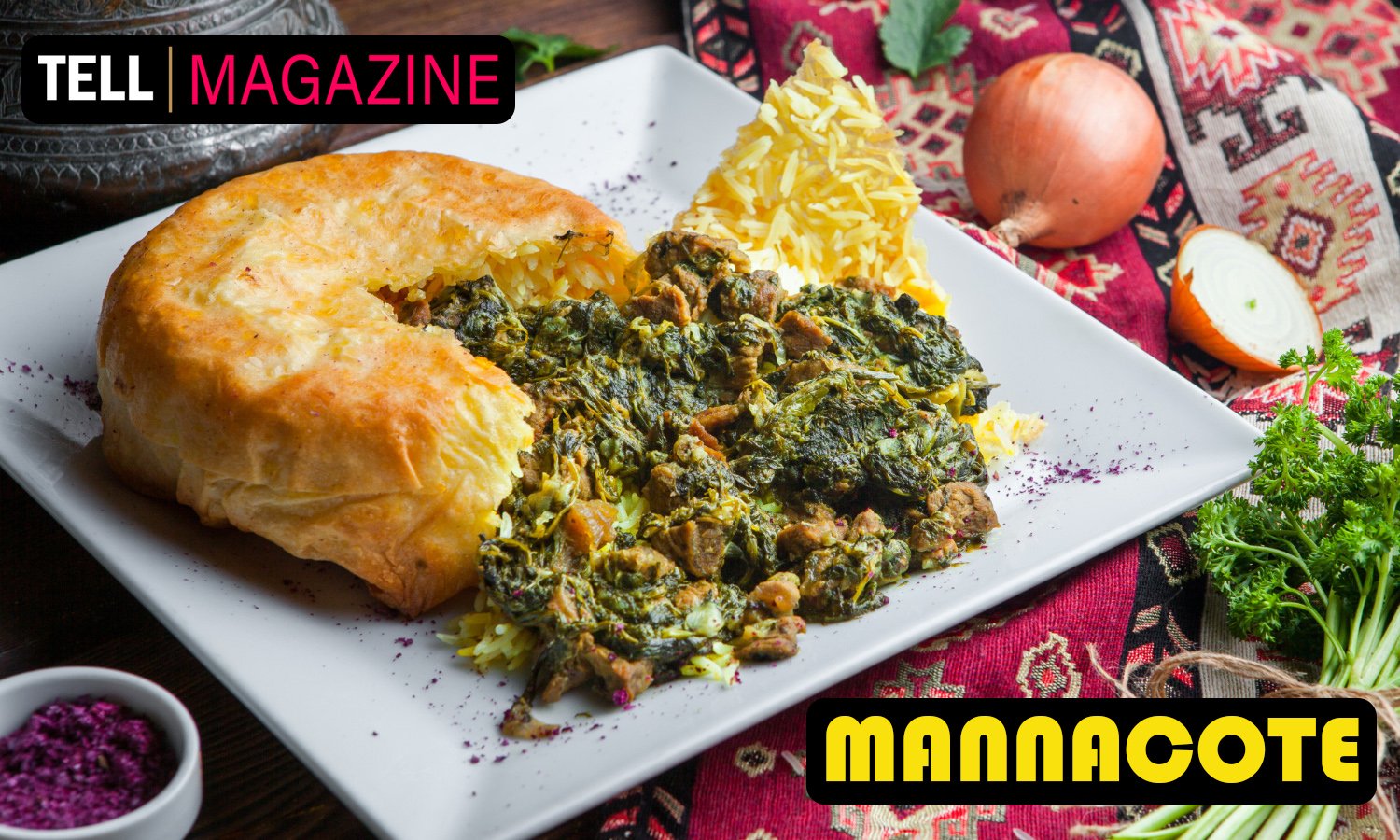
Mannacote is presented across a cluster of recipe websites as a specific Italian or Italian-American comfort food, complete with detailed histories, ingredient lists, and step-by-step preparation guides, yet a closer look reveals that “Mannacote” is not an independently documented dish at all, but rather a manufactured spelling variant built around manicotti, the genuine, well established Italian-American baked pasta dish with its own confirmed Wikipedia entry and extensive independent culinary documentation. This article explains what manicotti actually is, how the “Mannacote” content network appears to have repackaged this real dish under an invented name, and how to spot this specific pattern when researching food terms online.
What Is Mannacote Claimed to Be?
Websites describing Mannacote present it as a specific, named Italian or Italian-American dish, typically a baked, stuffed pasta dish filled with a ricotta cheese mixture and topped with sauce, framed with historical claims about its Italian origins and its evolution into an “Italian-American comfort food” classic. Several of these articles are hosted on domains, including mannacote.net and mannacote.co.uk, built specifically around this exact name.
Is Mannacote a Real, Independently Documented Dish?
No, not under this specific name. A search for independent confirmation of “Mannacote” as a distinct, established dish name, separate from the cluster of websites built around promoting it, returns no culinary encyclopedia entry, no Wikipedia page, and no independent food publication using this specific spelling to describe a genuinely distinct dish. What the search does return, clearly and consistently, is manicotti, a real, thoroughly documented Italian-American baked pasta dish with its own established Wikipedia entry and extensive coverage across established food publications and cookbook sources.
What Is Manicotti, the Real Dish Behind This Name?
Manicotti is a genuine, well documented Italian-American pasta dish consisting of large tube-shaped pasta shells, or alternatively thin crepes, stuffed with a ricotta cheese filling, often combined with additional ingredients like mozzarella, parmesan, and herbs, then baked in tomato sauce. The dish is widely understood among food historians and Italian-American culinary sources as an Italian-American adaptation rather than a dish with a single, direct traditional counterpart in Italy under the same name, reflecting the broader, well documented pattern of Italian-American cuisine developing its own distinct dishes and traditions among Italian immigrant communities in the United States.
Why Manicotti’s Documentation Contrasts With Mannacote’s
Manicotti’s Wikipedia entry, combined with extensive coverage from established food publications and cookbook sources actively discussing its preparation, history, and variations, represents exactly the kind of independent, convergent documentation that a genuinely established dish accumulates over time. The “Mannacote” content cluster provides none of this independent convergence, existing instead almost entirely within a small, specifically branded network of recipe sites built around this particular spelling.
Why Would a Content Network Rename an Existing Dish?
Building content specifically around an invented or altered spelling variant of an already popular, high-search-volume dish name is a recognizable content strategy, since it allows a new content property to attempt to capture some search traffic related to the genuine dish’s broad popularity while presenting itself as covering something distinctive, potentially avoiding more direct competition with the vast amount of existing, well-established content specifically about “manicotti” itself.
What This Pattern Suggests About the Mannacote Network
The consistent recipe structure, ingredient lists, and even direct references to “manicotti” within the Mannacote-branded content itself, several of the very articles promoting “Mannacote” as a distinct dish explicitly describe it in terms of manicotti, strongly suggest these sites are aware they are describing the same underlying dish under an altered name, rather than genuinely documenting an independently distinct culinary tradition.
Is There Any Legitimate Regional Variation That Mannacote Could Represent?
Regional and family variations in spelling and pronunciation of Italian-American dish names are genuinely common, reflecting the informal, orally transmitted nature of many family recipes passed down through generations of Italian-American households, where a dish might be called by a locally or familially specific pronunciation-based spelling. However, this genuine phenomenon of informal family spelling variation is different from a content network’s coordinated use of one specific alternate spelling across multiple professionally structured recipe websites, complete with claimed historical narratives, which is more consistent with a deliberate content strategy than an organic linguistic variation being documented by outside writers.
How Should You Evaluate an Unfamiliar “Traditional Dish” Name Online?
A structured approach helps identify when an unfamiliar dish name is actually a manufactured or renamed variant of an already established dish.
Search for the Dish Name Alongside Well-Known Related Dish Names
Searching an unfamiliar dish name alongside terms for related, well-established dishes, as done here by connecting “Mannacote” to “manicotti,” often reveals whether the unfamiliar name is actually describing something already well documented under a different, more established spelling.
Check Whether an Independent Encyclopedia or Wikipedia Entry Exists
The presence or absence of an independent encyclopedia entry, separate from the cluster of sites actively promoting a specific dish name, is a strong signal for distinguishing a genuinely established dish from a manufactured or renamed variant.
Notice When Promotional Content About a “Distinct” Dish References the Established Name Directly
As seen with several Mannacote articles that directly reference manicotti within their own content, this kind of internal cross-reference is a useful clue that the content itself may recognize it is describing an already established dish under an alternate name.
Look for the Name Concentrated Within One Small, Specifically Branded Content Cluster
A genuinely established regional dish name would typically appear across many independent food publications, cookbooks, and restaurant menus, rather than being concentrated primarily within a small handful of domains specifically built around that one name.
Why Does It Matter Whether Mannacote Is a Renamed Version of Manicotti?
Home cooks searching for information about a specific dish deserve accurate context about that dish’s actual name, history, and documentation. Presenting a renamed variant as though it were an independently distinct dish with its own separate culinary history risks readers developing an inaccurate understanding of a dish’s genuine origins, and potentially missing the substantially larger body of established recipes, techniques, and variations documented under the dish’s actual, well-known name.
How Common Is This “Renamed Established Dish” Pattern in Food Content?
This specific pattern, building a content network around an altered spelling of an already popular, high-search-volume dish, represents a distinct variant of manufactured food content, different from cases involving an entirely invented dish with no real culinary basis whatsoever. Because the underlying dish, manicotti in this case, is genuinely real and popular, this pattern can be harder for casual readers to spot than an entirely fabricated dish claim, since the actual recipe information provided may be reasonably accurate for manicotti even while being presented under a manufactured alternate name.
What Should You Do If You Want to Make Manicotti?
Home cooks interested in making this dish are best served searching specifically for “manicotti,” which surfaces the full, well established body of recipes, technique guides, and variations documented across established food publications and cookbook sources, including detailed guides covering the dish’s history and proper preparation technique, rather than searching for the manufactured “Mannacote” spelling specifically.
How Does Manicotti Fit Into the Broader History of Italian-American Cuisine?
Manicotti’s development as a distinctly Italian-American dish, rather than a direct import from a specific Italian regional tradition, reflects a well documented broader pattern in Italian-American culinary history, where Italian immigrant communities in the United States adapted available ingredients and techniques to create dishes that, while inspired by Italian culinary traditions, developed their own distinct identity within American Italian-American communities over the twentieth century. Other well known Italian-American dishes, including certain preparations of dishes that differ meaningfully from their closest Italian regional counterparts, followed similar paths of adaptation and evolution once established within Italian immigrant communities in cities across the United States.
Why This Context Matters for Evaluating Mannacote’s Claimed History
Understanding manicotti’s genuine, well documented history as an Italian-American adaptation makes it easier to spot when a website’s “history” section for the renamed “Mannacote” variant either accurately reflects this real documented history, simply repackaged under an altered name, or instead invents additional, unsupported historical claims specifically to differentiate the “Mannacote” content from readily available manicotti information.
What Should You Do If You Already Have a Recipe Labeled Mannacote?
If you already have a specific recipe you know as “Mannacote,” perhaps saved from one of these websites or passed along by a friend, comparing its specific ingredients and preparation steps against established manicotti recipes from reputable culinary sources is a useful way to confirm whether it represents a standard preparation of the genuine dish or includes any unusual variations worth noting on their own merits, separate from the question of what the dish should properly be called.
Why the Recipe Itself May Still Be Perfectly Usable
None of this analysis suggests that a specific recipe labeled “Mannacote” is necessarily inaccurate or unusable as a cooking guide, the underlying dish and its standard preparation techniques are genuine and well established, only that the specific name and any accompanying historical claims presented as uniquely belonging to “Mannacote” should be understood as a repackaging of already well documented manicotti information rather than as describing a separately distinct culinary tradition.
What Does the Mannacote Case Teach About Researching Food Content Generally?
Beyond this specific case, the Mannacote pattern is a useful general reminder for anyone researching an unfamiliar dish name encountered through a recipe blog or social media post: checking whether a well established dish with a similar sound or description already exists under a different, more common spelling is a quick and often revealing first step, one that would have immediately surfaced manicotti’s extensive independent documentation well before any of the “Mannacote” content needed to be evaluated on its own separate merits.
Conclusion
Mannacote is presented across a small, specifically branded cluster of recipe websites as a distinct Italian dish, but it is actually a manufactured spelling variant of manicotti, the genuine, well documented Italian-American baked pasta dish with its own established Wikipedia entry and extensive independent culinary coverage. Several of the very articles promoting “Mannacote” directly reference manicotti, suggesting the content network is aware it is describing the same underlying dish under an altered name. Home cooks interested in this dish are better served searching for “manicotti” directly, which surfaces the much larger, well established body of recipes and culinary documentation available under the dish’s genuine, established name.
Frequently Asked Questions
What is Mannacote?
Mannacote is a name used across a small cluster of recipe websites to describe a baked, stuffed pasta dish, but it is actually a manufactured spelling variant of manicotti, the real, well documented Italian-American dish.
Is Mannacote a real, traditional dish name?
Not independently. No encyclopedia entry or established food publication confirms “Mannacote” as a distinct dish name separate from manicotti, which is the genuine, documented dish behind this content.
What is manicotti?
Manicotti is a genuine Italian-American baked pasta dish made of tube-shaped pasta or crepes stuffed with a ricotta cheese filling and baked in tomato sauce, with its own established Wikipedia entry and extensive culinary documentation.
Why do some recipe sites use the name Mannacote instead of manicotti?
Building content around an altered spelling of an already popular dish name is a recognizable content strategy for capturing search traffic while appearing to offer something distinctive from existing manicotti content.
Should I search for Mannacote or manicotti to find reliable recipes?
Search for “manicotti” directly, since it surfaces the much larger, well established body of recipes, technique guides, and culinary history documented under the dish’s genuine, established name.


Who Was Vivian Ridge? The Devoted Life Story of Bob Ross’s First Wife

Who Is Elaine Starchuk? The Resilient Life Story of Tommy Lee’s First Wife

Who Is Donna Joan Shaffer-Ackles? The Devoted Life Story of Jensen Ackles’s Mother

Who Is William Lancelot Bowles Jr.? The Intriguing Untold Tale of Phylicia Rashad’s Ex-Husband

The Inspiring Story of Kelly Davis Rucker: From Struggle to Success

Voozon.com Review: Is It Legit? Features, Benefits, and What to Know
-
 Celebrity3 months ago
Who Is William Lancelot Bowles Jr.? The Intriguing Untold Tale of Phylicia Rashad’s Ex-Husband
-
 Celebrity3 months ago
The Inspiring Story of Kelly Davis Rucker: From Struggle to Success
-
 Technology3 weeks ago
Voozon.com Review: Is It Legit? Features, Benefits, and What to Know
-

 Celebrity3 months ago
Who Is Ella Sofia Gordon? The Incredible Story Behind Jeff Gordon’s Daughter
-

 Celebrity2 months ago
Who Is Chanelle Haynes? The Fascinating True Story of Cornell Haynes III’s Sister
-

 Celebrity3 months ago
Who Is Iona McKidd? The Hidden Brilliance of Kevin McKidd’s Daughter
-

 Celebrity3 months ago
Who Is Simone Cruickshank Rivera? The Inspiring Journey of Geraldo Rivera’s Daughter
-

 Business3 weeks ago
UploadArticle.com Review: Is It the Best Free Platform to Upload Articles?