
Business
How Self-Service Access Improves Productivity Without Sacrificing Security

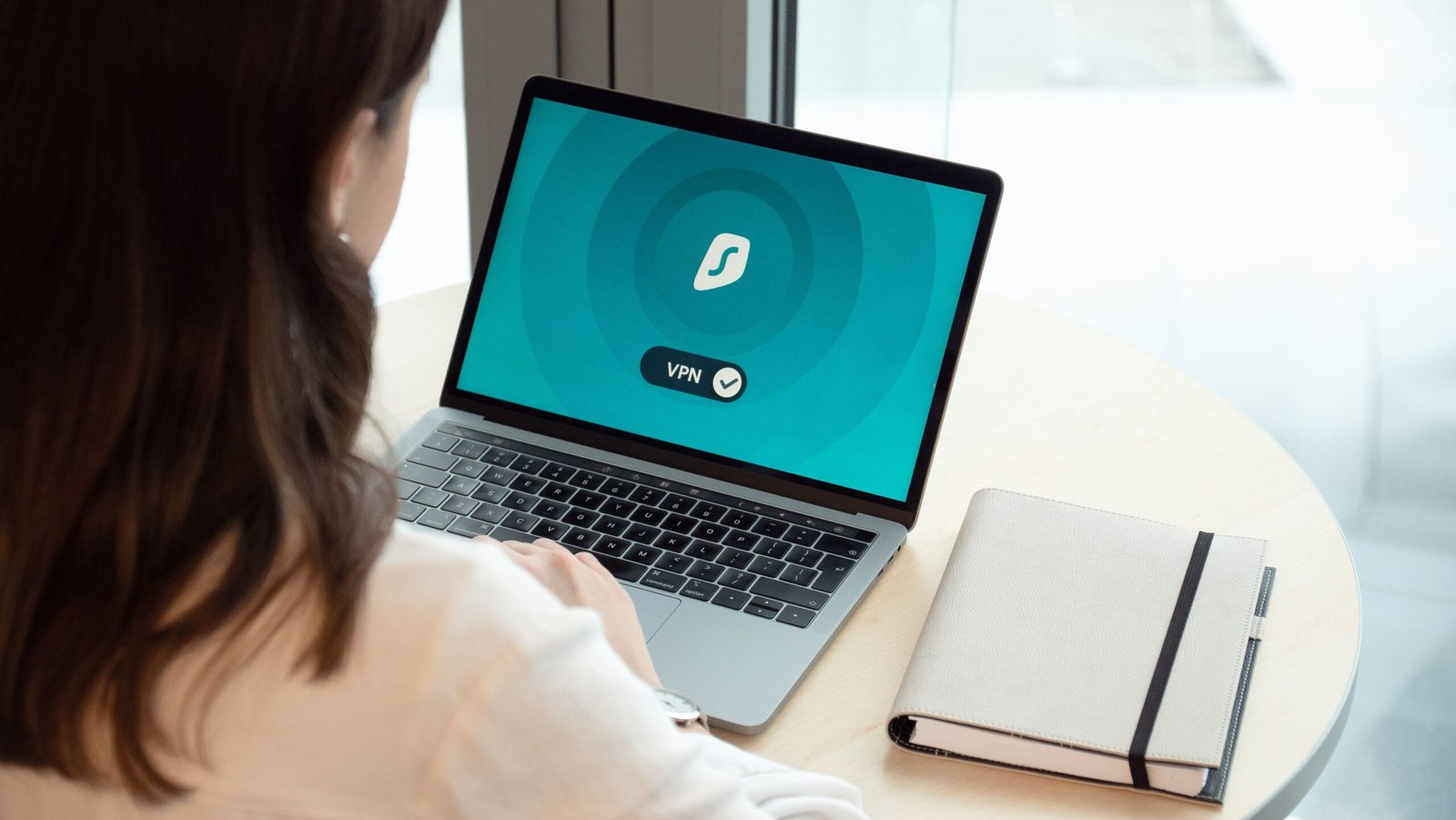
When employees need access to resources, tools, or information, every moment spent waiting for approval represents lost productivity. Self-service access systems empower users to obtain what they need immediately while maintaining strict security controls. This balance between speed and protection has become essential for modern organizations seeking competitive advantage.
Understanding Self Service Access Systems
Self-service access refers to technology platforms that allow employees to request and gain authorization to resources without requiring manual intervention from IT administrators or managers. These systems operate within predefined security parameters, automatically granting or denying access based on established policies and role definitions. Rather than creating a bottleneck where every request requires human review, self-service systems streamline the approval process through intelligent automation.
The underlying architecture of self service access depends on identity management and access control frameworks that verify user credentials and organizational policies in real time. When an employee requests access to a specific application, database, or system, the platform cross-references their role, department, project assignments, and security clearance against company standards. For example, a new team member joining a marketing department might automatically receive access to design tools and campaign management software without submitting manual requests. This approach eliminates the administrative burden on IT teams while ensuring that access decisions remain consistent and compliant with organizational standards.
How Self Service Access Accelerates Workflows
Employees operating under traditional access request models often experience significant delays when they need resources to complete assignments. A developer might wait days for database credentials, a project manager could be held up requesting collaboration tool access, or a contractor might delay starting work while awaiting system permissions. Self-service platforms eliminate these friction points by providing immediate access to pre-approved resource categories.
The speed advantage translates directly into productivity gains across organizations. Teams can onboard new members faster, respond to project changes more quickly, and reduce the time spent on administrative tasks. When access approval happens in seconds rather than hours or days, employees maintain workflow momentum and focus on their actual job responsibilities.
Self-service systems also reduce the volume of support tickets and emails directed at IT departments, allowing technical staff to concentrate on strategic initiatives rather than processing routine access requests. Organizations implementing comprehensive self-service access models frequently report significant reductions in time to productivity for new hires and measurable improvements in overall team efficiency.
Security Controls Within Self Service Frameworks
The most effective self-service access systems implement multiple layers of security controls that operate behind the scenes while users experience seamless access provisioning. These platforms maintain detailed audit trails documenting every access request, approval decision, and resource usage event. Such comprehensive logging ensures that organizations can track who accessed what resources and when, fulfilling compliance requirements for regulated industries such as healthcare, finance, and government sectors.
Self-service systems enforce role-based access control, which means that users can only see and request resources appropriate to their job function and organizational level. A customer service representative cannot request access to financial databases or executive reporting systems because those resources fall outside their defined role parameters. The system automatically restricts available options based on the requester’s profile, preventing unauthorized access attempts before they occur.
Additionally, administrators can configure access requests to include supervisory approval of workflows for sensitive resources, combining the speed of self-service with the oversight needed for high-risk systems.
Periodic access reviews ensure that permissions remain appropriate as employees change roles or leave the organization. Self-service systems can automatically expire temporary access credentials or remove permissions for departed staff members, keeping the access environment current without manual upkeep. This built-in lifecycle management reduces the risk of orphaned accounts and lingering permissions that often go undetected in manual provisioning environments.
Integration with Existing Security Infrastructure
Organizations concerned about compatibility with current security systems will find that modern self-service access platforms integrate with established identity management solutions and security protocols. These systems work alongside multi-factor authentication, single sign-on systems, and encryption technologies that protect data in transit and at rest. When integrated properly, self-service access functions as another layer within a comprehensive security architecture rather than a replacement for existing protections.
The platforms connect with directories containing employee information and organizational hierarchies, pulling real-time data about job titles, reporting relationships, and department assignments. This integration ensures that access decisions reflect current organizational reality rather than relying on manually maintained lists that quickly become outdated.
For example, when an employee transfers to a different department, their access permissions can automatically adjust based on their new role without requiring any manual intervention. Self-service systems also communicate with monitoring and incident response tools, allowing security teams to observe access patterns and identify unusual activities that might indicate compromised credentials or insider threats.
Measuring the Impact on Organizational Performance
Organizations implementing self-service access systems can measure concrete improvements in productivity and security metrics. Time to access decreases from hours or days to minutes or seconds, enabling faster project starts and smoother team transitions. The reduction in access request emails and IT support tickets frees administrative resources for higher-value activities like security improvements or technology modernization initiatives.
From a security perspective, organizations benefit from improved compliance documentation, better audit trails, and reduced opportunities for manual errors in access provisioning. Employees have less temptation to share credentials or find workarounds when they can obtain legitimate access quickly through proper channels.
Self-service systems also provide visibility into access patterns across the organization, revealing potential security risks or policy violations that manual processes would overlook. Companies tracking these metrics frequently discover that self-service models reduce both security incidents related to unauthorized access and operational delays caused by access request backlogs.
Conclusion
Self-service access represents a strategic advancement that addresses a fundamental challenge facing modern organizations: balancing the need for rapid access to resources with the necessity of maintaining robust security controls. By automating access decisions within predefined security parameters, these systems eliminate productivity bottlenecks without compromising protection.
Employees gain faster access to necessary tools while organizations maintain audit trails, role-based permissions, and integration with existing security infrastructure. The measurable improvements in productivity metrics, combined with enhanced compliance documentation and reduced security incidents, demonstrate that speed and security can be achieved simultaneously rather than traded against each other.
As organizations continue operating in competitive environments where every moment counts, these systems provide the agility and control needed to succeed.


Bookkeeping Errors That Trigger HMRC VAT Return Queries
Hiring Your First Employee: A Payroll Checklist for UK Small Businesses

Sorting Out Theboringmagazine Com From Its Lookalike Domains

Who Is William Lancelot Bowles Jr.? The Intriguing Untold Tale of Phylicia Rashad’s Ex-Husband

Who Is Chanelle Haynes? The Fascinating True Story of Cornell Haynes III’s Sister

The Inspiring Story of Kelly Davis Rucker: From Struggle to Success
-
 Celebrity4 months ago
Who Is William Lancelot Bowles Jr.? The Intriguing Untold Tale of Phylicia Rashad’s Ex-Husband
-
 Celebrity4 months ago
Who Is Chanelle Haynes? The Fascinating True Story of Cornell Haynes III’s Sister
-
 Celebrity4 months ago
The Inspiring Story of Kelly Davis Rucker: From Struggle to Success
-

 Technology2 months ago
Voozon.com Review: Is It Legit? Features, Benefits, and What to Know
-

 Celebrity2 months ago
Who Is Dallas Yocum? The Fascinating Life Story of Mike Lindell’s Ex-Wife
-

 Celebrity2 months ago
Who Is Noah Wilde West? Everything to Know About Chyler Leigh’s Son
-

 Blog2 months ago
Who Is Cassandra Jade Estevez? The Captivating Life Behind Casey Huffman Wife
-

 Business2 months ago
UploadArticle.com Review: Is It the Best Free Platform to Upload Articles?