
Business
Why Indian Brick Lane Remains a Popular Choice for Curry in London

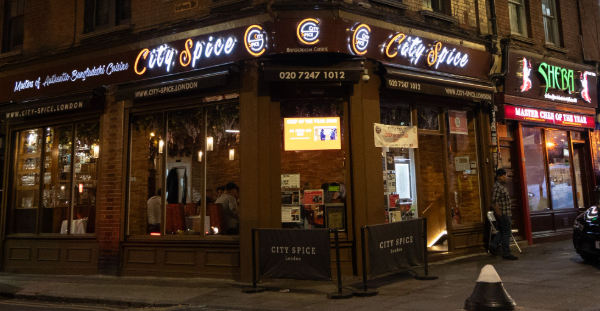
Indian Brick Lane remains popular because it is still a working food street, not a theme park. Bengali families cook here, sourcing from the same shops their customers use, and the cooking has kept evolving. For diners weighing up Indian Restaurants in Shoreditch and Spitalfields, the street offers range, history and kitchens that know their spices.
How did Brick Lane become London’s curry street?
Here at City Spice visitors ask us this almost every week.
Brick Lane has always been shaped by whoever arrived last. French Huguenot silk weavers settled the area in the late 1600s. Jewish families from Eastern Europe followed in the nineteenth century. From the 1950s onwards, and especially through the 1970s, people from the Sylhet region of what became Bangladesh made the East End their home. Garment work came first, then cafés for workers, then restaurants for everyone.
The best symbol of that layering sits on the corner of Fournier Street. The building was put up as a Protestant chapel in the 1740s, later became a synagogue, and has been a mosque since the 1970s. Same walls, three communities.
By the 1990s the street had become a destination for curry, and the surrounding area is now widely known as Banglatown. What visitors sometimes miss is that most brick lane indian restaurants are, strictly speaking, Bangladeshi-run. The menus speak the language of the British curry house, but the hands at the stove are often Bengali, and that shows in the details.
What keeps people coming back to Indian Brick Lane?
Three things, in our view.
First, density. So many South Asian kitchens within a short walk means diners compare, return and pick favourites. That competition keeps cooks honest.
Second, supply. Brick Lane and the streets around it still have grocers selling fresh curry leaves, green chillies by the bag, mustard oil, panch phoron and river fish. Fresh whole spices crackle properly in hot oil; stale ones just sit there.
Third, a sense of occasion. People come for birthdays, leaving drinks, a first trip to London. A meal on Indian Brick Lane is often part of a longer evening around Spitalfields Market and Shoreditch, and the street is built for that.
Is the cooking on Brick Lane changing?
Yes, and we think for the better.
The classic curry house repertoire (korma, tikka masala, madras, vindaloo) was developed for British tastes and still has its place. Alongside it, more indian restaurants brick lane visitors can choose from are cooking closer to home: lighter gravies, more mustard oil and panch phoron, more vegetables treated as the main event rather than a side.
At City Spice, Chef Niaz cooks with a Bengali twist. Bengali home cooking leans on mustard in its many forms, the gentle bitterness of certain vegetables, and the five-spice blend panch phoron (fenugreek, nigella, cumin, black mustard and fennel seed), fried whole at the start so the seeds release their oils before anything else goes in the pan. Overcook the fenugreek by seconds and it turns acrid.
We also put vegetables through the tandoor, not just meat. A clay oven running well past 400°C chars the outside of paneer, cauliflower or peppers quickly while the inside stays juicy, which a domestic grill simply cannot copy.
| Classic British curry house | Bengali-leaning home-style cooking |
|---|---|
| One base gravy adapted across many dishes | Separate masala built for each dish |
| Cream and ground nuts for richness | Mustard oil, mustard paste, yoghurt |
| Meat-led menus, vegetables as sides | Vegetables and lentils as centrepieces |
| Heat measured by chilli level | Balance of bitter, sour, sweet and heat |
How should diners compare Indian Restaurants in Shoreditch and Brick Lane?
The pavement pitch tells you little about the kitchen. Better signals:
- Smell the room. Whole spices tempered to order smell sharp and toasted. A flat, stewed smell suggests sauces sitting for hours.
- Read the vegetable section. A kitchen that takes dhal, aubergine and greens seriously usually takes everything seriously.
- Look for regional language. Words like bhuna, bhaji, shorshe or bhorta suggest cooks drawing on Bengali tradition rather than a generic list.
- Ask about heat. A good kitchen can adjust spicing on most dishes, because the masala is built fresh.
- Check dietary handling. Ask how vegan and allergen requests are managed in practice, not just what the menu says.
Searchers looking for the best indian shoreditch has to offer will find strong options across the area. Brick Lane’s advantage is concentration.
What are we doing at City Spice, and why?
We are a family-run restaurant responding to how London eats now.
The clearest example is our vegan curry menu. Chef Niaz worked with Michelin-inspired chef Rupert Rowley to build it from the ground up rather than stripping meat from existing dishes. It includes Chowle Achar, an aubergine dhal, Shobji Kufta Bhujon and the thali-style Shahi
Sahakari platter, which lets a table taste several dishes at once in the way a Bengali family meal is served.
Plant-based cooking suits Bengali food unusually well. The cuisine has long, deep traditions of vegetable and lentil cookery, and much of the richness comes from technique: slow-browned onions, tempered seeds, a squeeze of acid at the end. Cream is optional. Flavour is not.
We still cook the dishes people expect. We simply think the street’s future depends on showing what Bengali cooking can do.
Frequently Asked Questions
Why is Brick Lane famous for curry?
Brick Lane became known for curry after Bangladeshi families, mostly from Sylhet, settled in the East End from the mid-twentieth century and opened cafés and restaurants. The concentration of kitchens turned the street into one of London’s best-known places to eat South Asian food.
Are Brick Lane restaurants Indian or Bangladeshi?
Most are run by Bangladeshi families and many describe themselves as Indian restaurants. Menus usually combine British curry house favourites with Bengali dishes, so it is worth asking which dishes reflect the chef’s own background.
Is Brick Lane good for vegan diners?
It can be very good, because Bengali cooking has a strong vegetable and lentil tradition. City Spice runs a dedicated vegan curry menu rather than a short list of substitutions.
How close is Brick Lane to Shoreditch and Liverpool Street?
Brick Lane sits between Shoreditch to the north and Liverpool Street to the southwest, and both are a short walk away. That makes it an easy choice for dinner after work in the City or before a night out in Shoreditch.



Bookkeeping Errors That Trigger HMRC VAT Return Queries
Hiring Your First Employee: A Payroll Checklist for UK Small Businesses

Sorting Out Theboringmagazine Com From Its Lookalike Domains

Who Is William Lancelot Bowles Jr.? The Intriguing Untold Tale of Phylicia Rashad’s Ex-Husband

Who Is Chanelle Haynes? The Fascinating True Story of Cornell Haynes III’s Sister

The Inspiring Story of Kelly Davis Rucker: From Struggle to Success
-
 Celebrity4 months ago
Who Is William Lancelot Bowles Jr.? The Intriguing Untold Tale of Phylicia Rashad’s Ex-Husband
-
 Celebrity4 months ago
Who Is Chanelle Haynes? The Fascinating True Story of Cornell Haynes III’s Sister
-
 Celebrity4 months ago
The Inspiring Story of Kelly Davis Rucker: From Struggle to Success
-

 Technology2 months ago
Voozon.com Review: Is It Legit? Features, Benefits, and What to Know
-

 Celebrity2 months ago
Who Is Dallas Yocum? The Fascinating Life Story of Mike Lindell’s Ex-Wife
-

 Celebrity2 months ago
Who Is Noah Wilde West? Everything to Know About Chyler Leigh’s Son
-

 Blog2 months ago
Who Is Cassandra Jade Estevez? The Captivating Life Behind Casey Huffman Wife
-

 Business2 months ago
UploadArticle.com Review: Is It the Best Free Platform to Upload Articles?