
Blog
How to Practice Christianity with Confidence

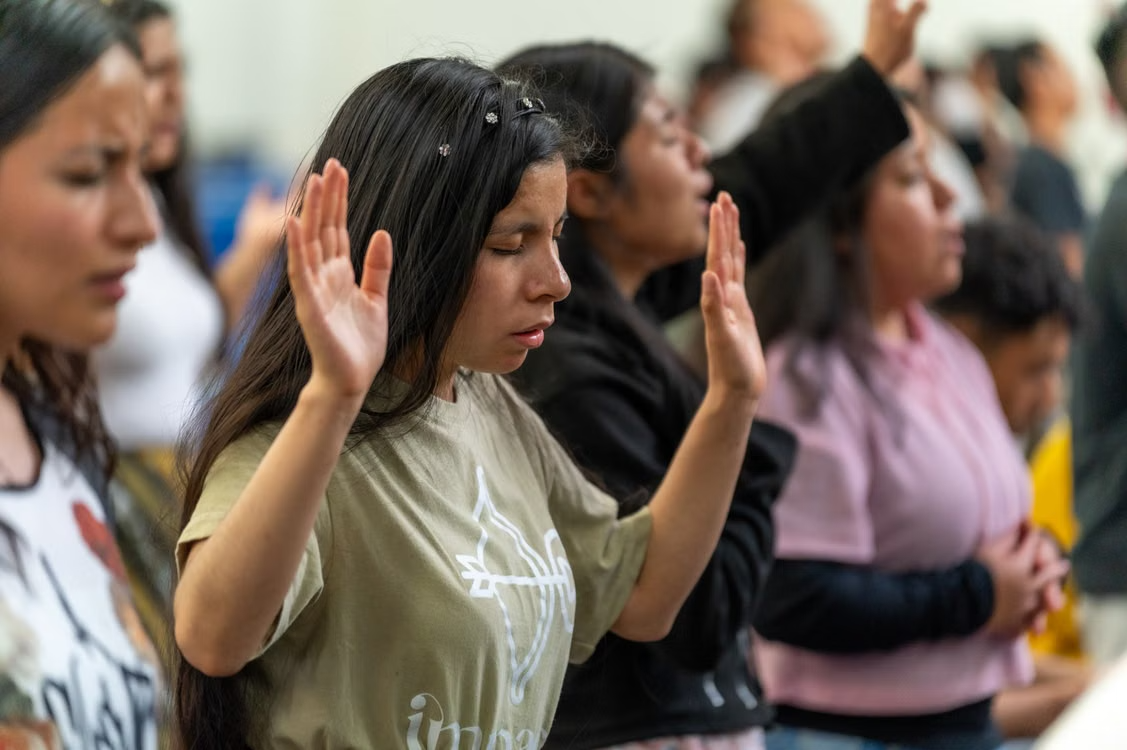
What does it mean to practice your faith with genuine assurance rather than doubt or hesitation? For many Christians, confidence in their beliefs comes not from blind certainty but from a thoughtful combination of spiritual discipline, knowledge, and community support. Building this confidence is a gradual process that involves understanding your faith more deeply, connecting with others who share your values, and creating personal practices that reinforce your commitment.
Understanding Your Core Beliefs
Confidence in Christianity begins with clarity about what you actually believe and why. Many people inherit their faith from family or culture without examining the foundational principles that make their religion meaningful. Taking time to read and reflect on scripture allows you to move beyond a surface-level understanding toward a more personal relationship with Christian teachings. This does not mean you need to become a theologian, but rather that you should be able to articulate what matters most to you about your faith in your own words.
Different Christian denominations emphasize different aspects of theology and practice, so understanding your specific tradition can help solidify your confidence. Whether your church focuses on biblical interpretation, sacramental practices, or social justice, knowing these priorities gives you a framework for decision-making. Reading foundational texts, attending study groups, or having conversations with trusted spiritual leaders can deepen your understanding. When you understand the “why” behind your beliefs rather than just the “what,” you develop a stronger sense of conviction. This intellectual engagement with your faith helps prevent confidence from becoming fragile when you encounter challenges or alternative viewpoints.
Building a Consistent Prayer Practice
Prayer forms the backbone of Christian spiritual practice, yet many people struggle to make it a regular habit. Establishing a consistent prayer routine, even if it is just fifteen minutes each day, creates a foundation of spiritual discipline that builds confidence over time. Confidence grows through repetition and experience, and regular prayer allows you to develop a deeper sense of connection with God. Over weeks and months, you may notice subtle shifts in how you perceive challenges and make decisions, reinforcing the value of your spiritual practice.
Your prayer routine does not need to follow a rigid formula. Some people find comfort in structured prayers from their tradition, while others prefer spontaneous conversations with God about daily experiences and concerns. You might combine these approaches by beginning with a traditional prayer and then speaking freely about what is on your mind. The key is consistency rather than perfection. Even when prayer feels difficult or distracted, staying committed to the practice strengthens your faith and gradually increases your spiritual confidence.
Engaging With Your Faith Community
Christianity is fundamentally communal, and practicing your faith alongside others provides both practical support and emotional encouragement. Whether through a local church, small group, or online fellowship, regular engagement with fellow believers exposes you to diverse perspectives and shared experiences that deepen your understanding. Hearing how others have navigated doubts, overcome hardships, or experienced spiritual growth can normalize your own struggles and broaden your perspective on faith.
Participating in community activities also creates opportunities to put your beliefs into action. Volunteering, attending Bible studies, participating in worship services, or joining prayer groups keeps your faith active rather than purely theoretical. Believers who want to stand in solidarity with those facing the persecution of Christians around the world often find that active community involvement equips them to respond with greater awareness, compassion, and support. The relationships built within a faith community can become an important source of strength during seasons of uncertainty or doubt.
Studying Scripture Systematically
While casual Bible reading is valuable, a more structured approach to scripture study can significantly strengthen your confidence in your faith. Many people find that reading through books of the Bible methodically, rather than selecting random passages, provides a clearer understanding of the overarching themes and teachings of Christianity. Using study guides, commentaries, or participating in organized Bible studies can make scripture more accessible and meaningful.
Systematic study also helps clarify passages that may initially seem confusing or contradictory. Learning about the historical setting, literary context, and intended audience of biblical texts deepens comprehension and reveals connections that might otherwise be missed. Whether you use methods such as topical studies, verse-by-verse analysis, or devotional reading plans, the goal is to become increasingly familiar with the teachings that form the foundation of your faith. As your understanding grows, so does your confidence in applying biblical principles to everyday life.
Living Your Values Consistently
Confidence in faith develops when your actions align with your beliefs. When there is a significant gap between what you profess and how you live, uncertainty and internal conflict can grow. Deliberately striving to live according to Christian values reinforces your commitment and demonstrates the practical significance of your faith.
This does not mean living perfectly or never making mistakes. Rather, it means making a sincere effort to practice compassion, integrity, forgiveness, generosity, and humility in everyday situations. If you believe in loving your neighbor, look for opportunities to serve others, extend grace, and contribute positively to your community. When you make mistakes, acknowledge them, learn from them, and continue moving forward.
Over time, these consistent efforts shape your character and become evidence of your spiritual growth. Confidence grows because you can see the impact your faith is having on your decisions, relationships, and outlook on life.
Conclusion
Practicing Christianity with confidence is not about eliminating every doubt or achieving perfect certainty. Instead, it involves building a strong foundation through understanding your beliefs, maintaining regular spiritual disciplines, participating in a faith community, studying scripture thoughtfully, and living according to your values. Each of these elements supports the others, creating a balanced and resilient faith that can withstand challenges and continue growing over time.
As you invest in these areas, confidence develops naturally through experience, reflection, and commitment. Rather than focusing on having all the answers, you can focus on deepening your relationship with God and faithfully applying Christian principles in your daily life. In doing so, you build a faith that is both meaningful and enduring, providing guidance and assurance throughout every stage of life.


Bookkeeping Errors That Trigger HMRC VAT Return Queries
Hiring Your First Employee: A Payroll Checklist for UK Small Businesses

Sorting Out Theboringmagazine Com From Its Lookalike Domains

Who Is William Lancelot Bowles Jr.? The Intriguing Untold Tale of Phylicia Rashad’s Ex-Husband

Who Is Chanelle Haynes? The Fascinating True Story of Cornell Haynes III’s Sister

The Inspiring Story of Kelly Davis Rucker: From Struggle to Success
-
 Celebrity4 months ago
Who Is William Lancelot Bowles Jr.? The Intriguing Untold Tale of Phylicia Rashad’s Ex-Husband
-
 Celebrity4 months ago
Who Is Chanelle Haynes? The Fascinating True Story of Cornell Haynes III’s Sister
-
 Celebrity4 months ago
The Inspiring Story of Kelly Davis Rucker: From Struggle to Success
-

 Technology2 months ago
Voozon.com Review: Is It Legit? Features, Benefits, and What to Know
-

 Celebrity2 months ago
Who Is Dallas Yocum? The Fascinating Life Story of Mike Lindell’s Ex-Wife
-

 Celebrity2 months ago
Who Is Noah Wilde West? Everything to Know About Chyler Leigh’s Son
-

 Blog2 months ago
Who Is Cassandra Jade Estevez? The Captivating Life Behind Casey Huffman Wife
-

 Business2 months ago
UploadArticle.com Review: Is It the Best Free Platform to Upload Articles?