
Blog
What Really Happened When Delta Connection DL3543 Turned Back

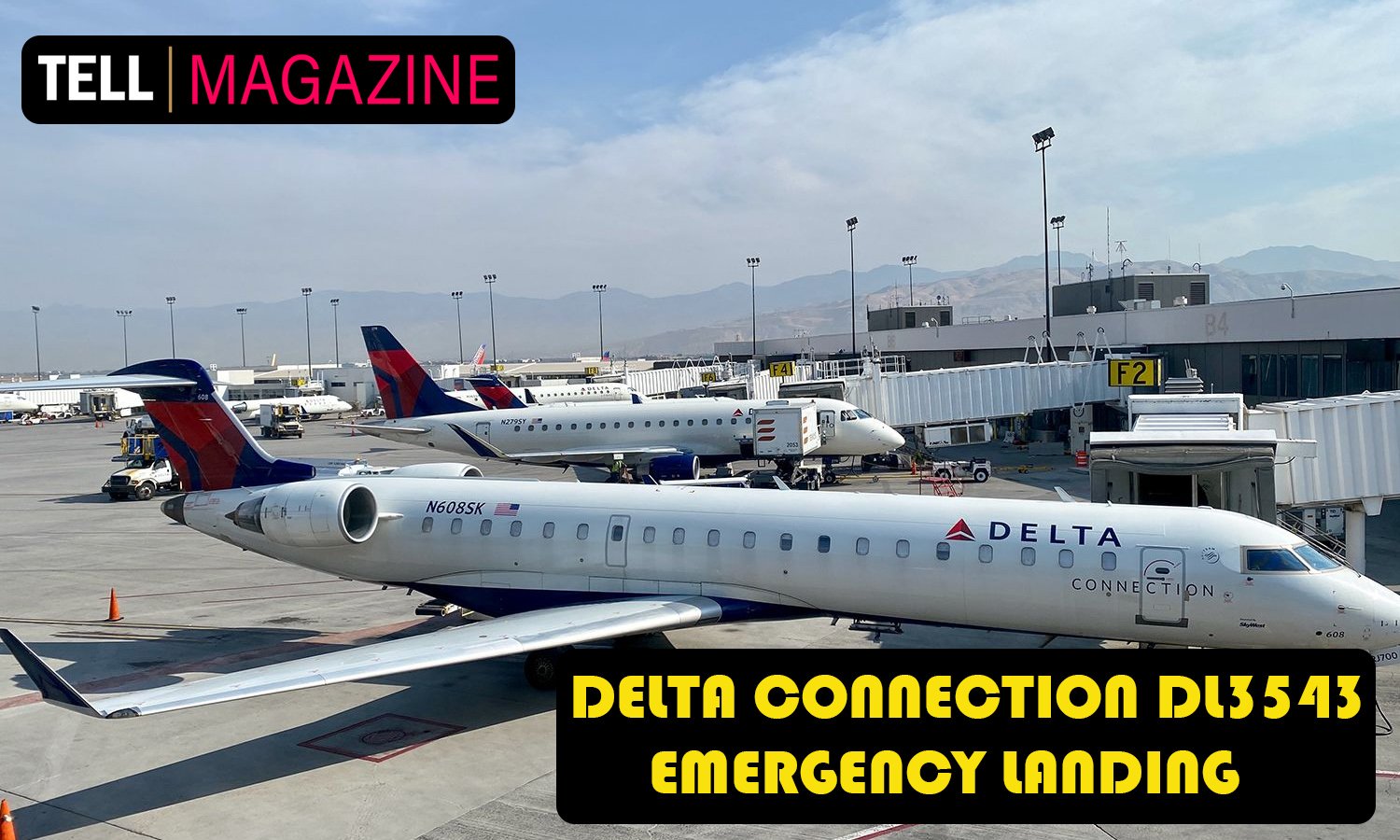
Delta Connection flight DL3543, an Embraer 170/175 bound for Chicago Midway, genuinely declared an emergency and returned to Minneapolis-St. Paul just minutes after takeoff on July 7, 2025, landing safely without further incident. This article explains what is actually confirmed about this event, what remains unspecified, and how to evaluate aviation incident reporting like this responsibly.
What Flight Was Actually Involved?
The flight involved was Delta Connection flight DL3543, operated using an Embraer 170-200LR aircraft registered N259SY, scheduled to travel from Minneapolis-St. Paul International Airport to Chicago Midway International Airport on July 7, 2025.
Is This a Genuinely Confirmed Aviation Event?
Yes. The event is documented through aviation incident tracking sources that recorded the flight’s actual climb profile, turnaround, and emergency transponder code in real time, providing objective, verifiable confirmation distinct from vague or unsourced secondary claims.
Why Tracking Data Confirms This Wasn’t a Fabricated Claim
Specific, technical details like the exact altitude at which the climb stopped and the precise runway used for the return landing reflect the kind of granular data that comes from genuine flight-tracking sources rather than a manufactured or exaggerated incident report.
What Exactly Happened After Takeoff?
The aircraft stopped its climb at 21,000 feet and turned around only about ten minutes after departing Minneapolis, with the crew declaring an emergency using the squawk 7700 transponder code to request priority handling for a return landing.
Why Squawk 7700 Doesn’t Necessarily Indicate a Severe Failure
Declaring an emergency with squawk 7700 is a standard procedural step that gives a flight crew priority handling and ground support, and it is used across a wide range of situations from serious mechanical concerns to more moderate precautionary issues, meaning the code itself does not confirm the specific severity of the underlying problem.
What Was the Specific Cause of the Emergency?
Available aviation tracking sources documenting this event do not specify the underlying technical cause of the emergency, only confirming that the crew needed to return to Minneapolis shortly after departure and successfully did so.
Why the Unspecified Cause Should Be Treated With Appropriate Caution
Readers should be wary of any secondary source confidently naming a specific mechanical cause for this incident unless it cites the airline, the aircraft operator, or an aviation safety authority directly, since the available tracking-based reporting on this specific event does not confirm a specific technical cause.
How Did the Flight Ultimately Resolve?
The aircraft landed back at Minneapolis-St. Paul on runway 12R approximately 37 minutes after its original departure and was subsequently positioned at a gate, with no reports indicating injuries or further complications following the safe return landing.
Why a Quick, Uneventful Return Landing Is a Positive Outcome
A return landing completed within roughly 37 minutes of departure, without any reported injuries or additional complications, reflects a well-managed precautionary response rather than a prolonged or escalating emergency situation.
Why Do Other Delta Emergency Landing Stories Sometimes Get Confused With This One?
Delta and its regional partner carriers, operating collectively as Delta Connection, experience occasional emergency declarations across their extensive flight network, and separate, unrelated incidents, including different flights on different routes with different specific causes, are sometimes conflated with this particular event when readers search general terms like “Delta emergency landing.”
Why Confirming the Specific Flight Number Matters Here Too
Given how many separate Delta and Delta Connection incidents occur across the airline’s large network in any given period, confirming the exact flight number, date, and aircraft registration is essential to ensure you’re reading about this specific event rather than an entirely different, unrelated incident involving a different aircraft or route.
How to Evaluate Aviation Incident Reporting Like This
A structured approach helps confirm accurate understanding of a specific aviation event.
Confirm the Exact Flight Number and Date
Verifying the specific flight number and date against independent flight-tracking sources helps avoid confusing this event with a separate, unrelated Delta or Delta Connection incident that may have occurred around the same general timeframe.
Check What Technical Cause, If Any, Has Been Confirmed
Distinguishing between confirmed facts, such as the altitude and timing of the turnaround, and unconfirmed speculation about the specific technical cause helps maintain an accurate understanding of what is actually known about the event.
Look for Corroboration Across Independent Tracking Sources
Cross-referencing a specific aviation incident against more than one independent flight-tracking or aviation news source helps confirm the reported details are consistent rather than relying on a single account.
Why Does It Matter Whether This Kind of Event Is Reported Accurately?
Readers researching a specific flight incident, whether out of aviation interest or personal concern about a flight a friend or family member was on, deserve accurate, appropriately caveated information rather than speculative claims about causes or outcomes that have not actually been confirmed by the airline or aviation authorities.
How Common Are Precautionary Return Landings Like This?
Precautionary returns shortly after takeoff, where a crew opts to address a concern by returning to the departure airport rather than continuing the flight, occur periodically across the commercial aviation industry and reflect a conservative, safety-focused decision-making approach rather than a sign of a serious or unusual underlying problem in most cases.
Why This Broader Context Helps Readers Interpret This Specific Event
Understanding that precautionary returns shortly after takeoff are a recognized, relatively routine category of aviation event, handled through well-established procedures, helps readers interpret this specific incident as an example of standard safety protocol functioning as intended rather than evidence of a broader safety concern.
A Quick Verification Checklist
Before relying on reporting about this or a similar aviation incident: confirm the specific flight number, date, and aircraft registration against independent tracking sources, check whether a specific technical cause has actually been confirmed, and cross-reference the event across more than one independent source.
What Should Readers Take Away From This Case Overall?
The most useful takeaway is that Delta Connection flight DL3543 genuinely declared an emergency and returned to Minneapolis shortly after takeoff on July 7, 2025, landing safely within about 37 minutes with no reported injuries, while the specific underlying technical cause remains unconfirmed in publicly available tracking-based reporting.
What Do Federal Aviation Authorities Say About Emergency Declarations?
Federal aviation guidance on emergency procedures explains that declaring an emergency, including through a squawk 7700 transponder code, gives a flight crew access to priority handling and any assistance needed from air traffic control, without requiring the crew to justify the decision in the moment or confirm a specific cause before receiving that priority support.
Why This Official Framework Explains the Crew’s Response
Understanding that federal aviation procedures specifically empower crews to declare an emergency and receive immediate priority handling without first confirming a precise cause helps explain why DL3543’s crew could request and receive a swift return to Minneapolis so soon after departure.
How Do Flight-Tracking Communities Document Events Like This?
Aviation enthusiast communities that monitor live transponder and flight path data documented DL3543’s altitude, timing, and runway details in real time, providing a precise, independently verifiable record of the event well before broader news coverage emerged.
Why This Kind of Documentation Strengthens Confidence in the Account
Because this tracking data is captured automatically and continuously as the flight occurs, it offers a more precise and reliable record of the event’s timeline than a reconstructed account based on passenger recollections or secondhand reporting after the fact.
What Should Passengers on Regional Connection Flights Understand About This?
Passengers flying on regional connection services operated by smaller aircraft like the Embraer 170/175 can take some reassurance from this event, since it demonstrates that these smaller regional jets and their crews follow the same rigorous emergency procedures and receive the same priority handling from air traffic control as larger mainline aircraft.
Why Regional Jet Safety Procedures Match Mainline Standards
Regional carriers operating under a major airline’s brand, such as Delta Connection, are held to the same safety and emergency response standards as the mainline carrier itself, meaning an emergency declaration and quick return on a smaller regional jet reflects the same rigorous safety culture found across the broader airline’s operations.
Why Do Precautionary Emergency Declarations Sometimes Generate Public Concern?
The term “emergency landing” can sound alarming to those unfamiliar with standard aviation terminology, even when the underlying situation is handled as a routine, well-practiced precaution, a gap between technical aviation language and general public perception that often drives outsized concern relative to the actual severity of many such events.
Why Understanding This Terminology Gap Helps Readers Stay Calm
Recognizing that “declaring an emergency” is a standard procedural term covering a wide range of situations, from serious to precautionary, rather than a term reserved only for severe or life-threatening events, helps readers interpret headlines about aviation incidents like this one more accurately and with less unwarranted alarm.
How Should Readers Search for Reliable Updates on This Incident?
Readers researching this specific event are best served searching using the exact flight number, DL3543, alongside the specific date, July 7, 2025, since Delta and its regional partners operate hundreds of flights daily, and a vague search risks surfacing unrelated incidents involving entirely different aircraft, routes, or causes.
Why Precision in Search Terms Prevents Confusion Across a Large Network
Given how large and active Delta’s combined mainline and regional network is, using precise, verified search terms considerably reduces the risk of conflating this specific, resolved event with a different, unrelated incident that happened to occur around a similar general timeframe.
What Is the Simplest Way to Summarize This Entire Case?
If there is one fact worth remembering above all others, it is that DL3543 declared an emergency, returned safely to Minneapolis within about 37 minutes, and landed without any reported injuries, even though the precise technical cause remains unconfirmed in publicly available reporting.
Conclusion
Delta Connection flight DL3543, an Embraer 170/175 bound for Chicago Midway, genuinely declared an emergency and returned safely to Minneapolis-St. Paul just minutes after takeoff on July 7, 2025, landing without reported injury roughly 37 minutes after departure. While the event is confirmed through independent flight-tracking sources, the specific technical cause behind the emergency declaration has not been publicly specified, and readers should treat any confident claims about a specific cause with appropriate caution. Anyone researching this event is best served confirming details against independent aviation tracking sources rather than relying on unsourced secondary claims.
Frequently Asked Questions
Is Delta Connection DL3543 a real, confirmed emergency landing?
Yes. Independent aviation tracking sources confirm the flight declared an emergency and returned to Minneapolis shortly after takeoff on July 7, 2025.
What caused the emergency?
The specific technical cause has not been publicly confirmed. Available tracking data confirms the crew declared an emergency and returned but does not specify why.
Was anyone injured?
No reports indicate any injuries. The aircraft landed safely back at Minneapolis-St. Paul approximately 37 minutes after departure.
What aircraft was involved?
The flight was operated using an Embraer 170-200LR aircraft registered N259SY, scheduled to travel to Chicago Midway.
How can I confirm I’m reading about the correct Delta incident?
Verify the specific flight number, date, and aircraft registration against independent flight-tracking sources, since Delta and its regional partners experience multiple separate incidents across their network.


SCADA Cybersecurity Best Practices for Industrial Facilities

What Glaadvoice Com Really Is and Who Stands Behind It

What Sparkpressfusion Com Shows About Its Own Team and Claims

Who Is Chanelle Haynes? The Fascinating True Story of Cornell Haynes III’s Sister

Who Is William Lancelot Bowles Jr.? The Intriguing Untold Tale of Phylicia Rashad’s Ex-Husband

The Inspiring Story of Kelly Davis Rucker: From Struggle to Success
-
 Celebrity4 months ago
Who Is Chanelle Haynes? The Fascinating True Story of Cornell Haynes III’s Sister
-
 Celebrity4 months ago
Who Is William Lancelot Bowles Jr.? The Intriguing Untold Tale of Phylicia Rashad’s Ex-Husband
-
 Celebrity4 months ago
The Inspiring Story of Kelly Davis Rucker: From Struggle to Success
-

 Technology2 months ago
Voozon.com Review: Is It Legit? Features, Benefits, and What to Know
-

 Celebrity2 months ago
Who Is Dallas Yocum? The Fascinating Life Story of Mike Lindell’s Ex-Wife
-

 Celebrity2 months ago
Who Is Noah Wilde West? Everything to Know About Chyler Leigh’s Son
-

 Business2 months ago
UploadArticle.com Review: Is It the Best Free Platform to Upload Articles?
-

 Blog2 months ago
Who Is Cassandra Jade Estevez? The Captivating Life Behind Casey Huffman Wife