
Blog
Why Webpayblog Com Is a Blog and Not a Payment Platform

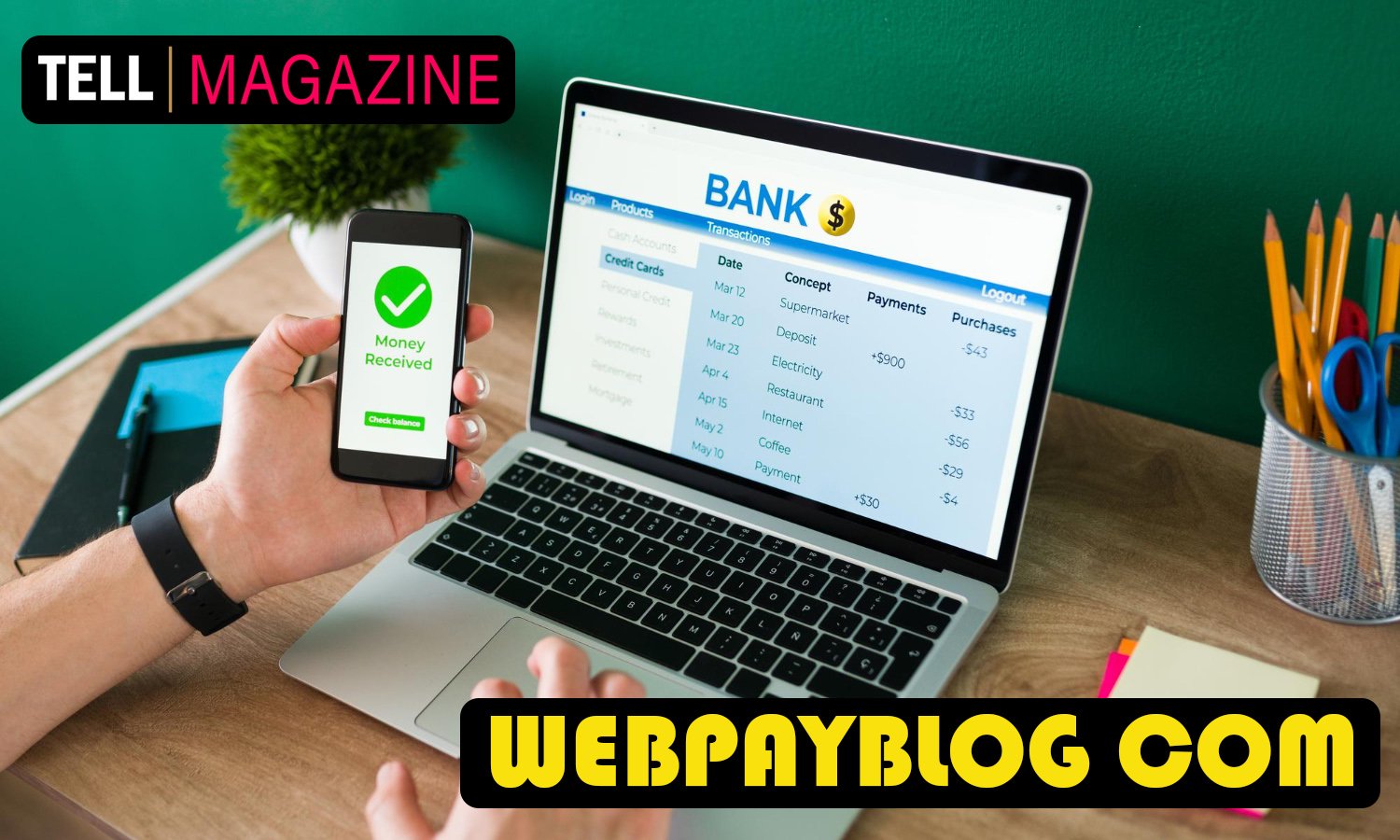
Webpayblog.com is a real WordPress blog, and despite a name that suggests online payments, it does not process transactions, hold money, or offer accounts; its homepage lists general articles on travel, lifestyle, finance, technology, cars, and health under one author name, with no owner identified. Several guides on the site cover bank logins and application status checks, which makes the payment-style name worth handling with care. This article explains what the site publishes, how to read login and account guides safely, and how it compares with other sites of the same type.
What the Name Suggests
A name that combines web, pay, and blog suggests a site about online payment services or even a tool for making payments. Searchers who arrive expecting a payment gateway, a wallet, or a billing portal will not find one. Reviews that describe the domain as a place for digital payment guidance often rely on the name more than on the pages, and one independent review states directly that the site is a blog and not a payment service.
Why Name Confusion Matters
Money-related names attract people who are ready to enter sensitive details. A reader who believes a blog is a payment service might type card numbers where none should go.
What the Homepage Shows
The categories are automotive, business, fashion, finance, general, health, lifestyle, technology, and travel. Visible posts cover lavender fields in Provence, family travel, celebrity style, online banking logins, credit card application status, an Acura sedan, a tech office address, car services, and a patient portal. No checkout, login, or account area appears.
A Patchwork of Subjects
Travel, banking, cars, and healthcare portals sit side by side with no common thread. That pattern is typical of sites that publish whatever draws search traffic.
Login and Application Status Guides
Guides that explain how to sign in to a bank, check a card application, or open a patient portal are popular because many people search for them. They are also a common route for fraud, because criminals copy popular guides and swap in their own links. A guide on a blog is never the right place to enter a password.
Safer Habits for Account Access
Type the address of your bank or provider yourself, or use the official app. Never reach a login page through a link in a blog post, an email, or a text message.
Authorship and Ownership
Every visible post carries a single byline, Dipti, and the page names no owner. The footer shows a copyright notice for 2026 and credits a commercial WordPress theme from a developer called Ascendoor. A site on another domain, covered in this magazine’s research on tylurs.com, uses the same byline and the same theme developer.
What a Shared Byline and Theme Suggest
A shared byline and design template do not prove common ownership, since themes are sold widely and bylines can be reused by writers. They do suggest that the sites may be produced in the same way, which is a useful lead for further checking.
Revenue Model
A review of the site says it earns from advertising and referral links, which is a standard model for blogs. That arrangement means some articles may steer readers toward products or services that pay a commission. Consumer guidance expects such relationships to be disclosed, and none is visible on the homepage.
Reading Referral-Driven Content
When a post on credit cards or loans names a specific product, ask whether the site is paid if you apply. Compare the offer with the lender’s own terms and with independent consumer sources.
Official Sources for Money Questions
For questions about cards, accounts, and fees, regulators publish plain guidance. In the United States, the Consumer Financial Protection Bureau explains rights, fees, and complaint procedures, and similar bodies exist in other countries. Their pages are written for the public and carry no sales motive. The Federal Trade Commission also publishes guidance on spotting fake websites and phishing attempts.
Using Regulators as a Benchmark
If a blog’s statement about interest, fees, or consumer rights conflicts with a regulator’s page, the regulator is more likely to be right and current.
Outdated Information Risk
Money rules, bank procedures, and phone numbers change often. An article written two years ago may describe a process that no longer exists, and the blog may not update it. Dates on this site are not always visible, so readers cannot tell how current a guide is.
Checking Currency of a Guide
Compare steps against the provider’s help pages. If anything differs, follow the provider.
Patient Portal and Health Content
Posts about patient portals touch on medical records. Portals are provided by clinics and health systems, and each has its own address and sign-in process. Readers should obtain the link from their clinic, a letter, or an official app, never from a general blog.
Protecting Health Data
Health records are valuable to criminals. Use a strong, unique password and two-step verification where offered, and avoid entering details on pages reached through search results.
Comparing With Other Anonymous Blogs
Other coverage on this magazine, such as its pieces on a recycling-themed domain and on another content site, applies the same checks: named people, sourcing, and disclosure. Repeated checks across sites reveal how many share the same features and make quick judgments easier.
Building a Routine
A routine of five questions, covering owner, author, sources, disclosure, and currency, will handle most unfamiliar sites in a few minutes.
Safe Use of the Site
The site loads over a secure connection and, according to a review, hosts no dangerous downloads. Browsing it carries little risk. The risk lies in acting on its financial or medical content without verification, or in clicking links in its posts that lead elsewhere.
Practical Precautions
Decline optional cookies, avoid pop-ups, and keep your browser updated. Pay only on official checkout pages.
Phishing Risks Around Login Guides
Fraud teams regularly report that criminals build pages that look like help guides, then place a lookalike sign-in form at the end. A reader who searches for a bank name plus the word login can land on such a page. Because webpayblog.com publishes guides of this kind, readers should understand how the trick works.
How the Trick Works
The page copies the logo and wording of a real provider. The form sends whatever is typed to the criminal, who then uses the details at the real bank. The address in the browser bar is the main clue, and many people never look at it.
Signs of a Fake Page
Warning signs include a misspelled provider name in the address, a request for a full card number and PIN together, urgent warnings about a locked account, and pop-ups that ask for a one-time code. A real bank will never ask for a full PIN on a web form.
Credit Card Application Status Posts
Posts that explain how to check an application status are written for a broad audience, and they usually name a lender and give steps. Lenders change their portals, phone lines, and identity checks often, so the steps in a general blog may not match the current process.
What a Safe Check Looks Like
Use the confirmation email or letter from the lender, then go to the lender’s own site by typing its address. Have the reference number ready. Never share a full card number, a PIN, or a security code by email or text.
When Details Do Not Match
If the steps in a post differ from what the lender’s site shows, trust the lender. If someone contacts you first about an application you did not make, treat it as suspicious and call the number printed on a card or statement.
Cars and Travel Content
Car and travel posts carry less personal risk, but they still contain claims about prices, features, and availability that go out of date quickly. A post about a sedan model may describe a model year that is no longer sold, and a travel post may describe opening hours that have changed.
Cross-Checking Product Facts
Compare vehicle specifications with the manufacturer’s page, and compare travel details with the official tourism board or the venue. Government travel advice pages give current entry rules and safety notes.
Using Posts for Ideas
Treat these posts as prompts for further research. They can suggest places or models to look at, but they should not be the final word on cost or availability.
Editorial Gaps
A named editor, a corrections policy, and dates on every post are basic signs of accountability. This site shows one byline, no editor, and no obvious correction process. Readers who find an error have no clear way to report it.
What Corrections Policies Provide
A corrections policy tells readers that mistakes are acknowledged and fixed. Without one, an error can sit for years and be repeated by other sites that copy the post.
How Search Engines View Quality
Search engines describe helpful content as written by people with real experience, clearly sourced, and made for readers rather than for rankings. A site that mixes unrelated subjects under one name does not clearly meet those signs, though quality can still vary post by post.
Benefits of the Site
It would be unfair to say the blog has no use. Plain-language explainers on everyday tasks can save a reader time, and posts on travel or style can give ideas. The site loads over a secure connection, carries no download prompts, and does not ask visitors to create accounts. Those are real positives.
Using It Well
The best use is as a starting point. Read a post to learn the vocabulary and the usual steps, then confirm anything involving money, health, or legal rights with the official body.
Helping Family Members
Many people who search for login guides are less confident online, including older relatives. A short family conversation about checking addresses before typing passwords prevents more harm than any filter. Explain that guides on blogs are for information and that real accounts are opened only through the provider’s own site or app.
Simple Rules to Share
Never type a password after clicking a link in a message. Bookmark your bank from a trusted source. Ask someone before paying anyone who contacts you first.
Reporting Suspicious Pages
If a page asks for bank details in the name of a provider, report it. National regulators and the provider’s fraud team both accept reports, and browsers let users flag suspicious pages. Reports help remove copies quickly.
What to Include
Give the full address, a screenshot, and the time you saw it. Do not forward the page link to friends, since doing so spreads the risk.
A Quick Verification Checklist
Before relying on webpayblog.com: remember it is a blog and not a payment service, never enter credentials on pages reached through its guides, note that no owner is named, and check money and health facts with official sources.
Conclusion
Webpayblog.com is a genuine general-interest blog with a payment-style name, a single byline, a commercial theme, and no named owner. It does not handle money, and the safest approach to its login and application guides is to use them only as pointers and then go straight to the official provider. Readers who combine light reading with regulator and provider sources will use it sensibly.
Frequently Asked Questions
Is webpayblog.com a payment service?
No. It is a blog that publishes articles, and it does not process payments, hold funds, or ask visitors for card details, bank logins, or passwords.
Who runs webpayblog.com?
No owner is named. Posts carry a single byline, and the footer shows a copyright line and a theme credit, so the people behind the site cannot be identified.
Is it safe to follow bank login guides on webpayblog.com?
Use them only as general pointers. Always reach your bank through its official app or an address you type yourself, never through a link on a blog.
Is webpayblog.com safe to visit?
Reviews describe a secure connection and no dangerous downloads, so browsing is low risk, but articles may be outdated and should be verified with official sources.
Does webpayblog.com earn money from its articles?
A review says it earns from ads and referral links, so some posts may be commercially motivated. Check the provider’s own terms before applying for any product.


Bookkeeping Errors That Trigger HMRC VAT Return Queries
Hiring Your First Employee: A Payroll Checklist for UK Small Businesses

Sorting Out Theboringmagazine Com From Its Lookalike Domains

Who Is William Lancelot Bowles Jr.? The Intriguing Untold Tale of Phylicia Rashad’s Ex-Husband

Who Is Chanelle Haynes? The Fascinating True Story of Cornell Haynes III’s Sister

The Inspiring Story of Kelly Davis Rucker: From Struggle to Success
-
 Celebrity4 months ago
Who Is William Lancelot Bowles Jr.? The Intriguing Untold Tale of Phylicia Rashad’s Ex-Husband
-
 Celebrity4 months ago
Who Is Chanelle Haynes? The Fascinating True Story of Cornell Haynes III’s Sister
-
 Celebrity4 months ago
The Inspiring Story of Kelly Davis Rucker: From Struggle to Success
-
 Technology2 months ago
Voozon.com Review: Is It Legit? Features, Benefits, and What to Know
-

 Celebrity2 months ago
Who Is Dallas Yocum? The Fascinating Life Story of Mike Lindell’s Ex-Wife
-

 Celebrity2 months ago
Who Is Noah Wilde West? Everything to Know About Chyler Leigh’s Son
-

 Blog2 months ago
Who Is Cassandra Jade Estevez? The Captivating Life Behind Casey Huffman Wife
-
 Business2 months ago
UploadArticle.com Review: Is It the Best Free Platform to Upload Articles?