
World
Tracing Haslhof Across Real Alpine Farms, Inns, and Trails

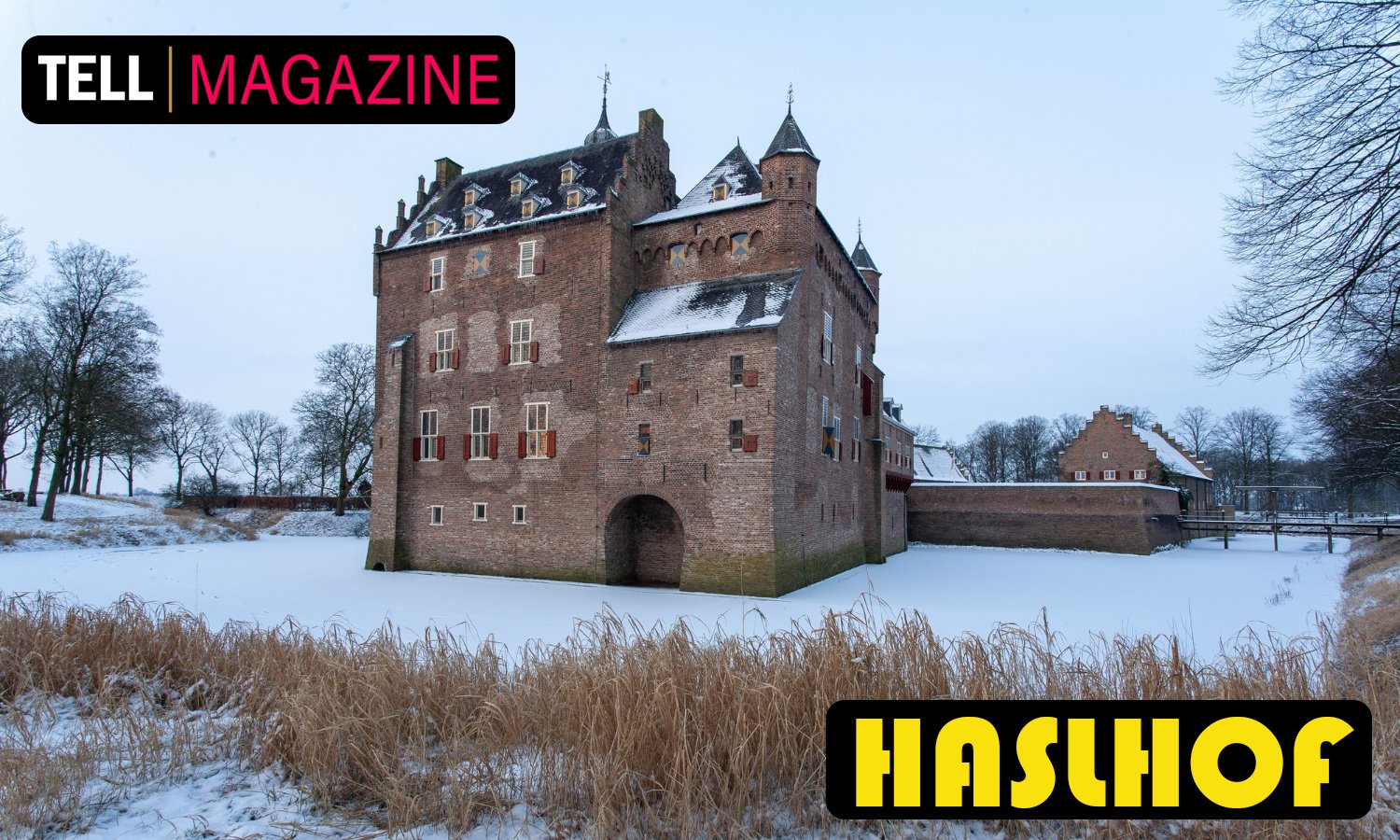
Haslhof genuinely names several distinct, real places across South Tyrol, Italy, and neighboring Alpine regions, including a working farm inn, a hiking and cycling destination, and a climbing route reference point, reflecting a common Alpine naming convention rather than a single mysterious or manufactured location. This article explains what Haslhof actually refers to, why the same name applies to multiple real places, and how to figure out which one is relevant to a specific search.
What Does “Haslhof” Actually Mean?
“Hof” is a common German-language word for farm or farmstead, widely used across Alpine regions of Austria, Germany, Switzerland, and Italy’s German-speaking South Tyrol to name individual farms, often combined with a descriptive prefix. “Hasl” likely relates to hazel trees or a local surname, making “Haslhof” a straightforward, traditional farm name rather than an invented or coined term.
Is There a Real Jausenstation Haslhof?
Yes. Jausenstation Haslhof is a documented, real mountain inn and rest stop in the South Tyrol region, confirmed through its own dedicated Facebook page with visitor photos and through independent hospitality booking platforms listing it as a specific dining destination reachable by hiking trail. A “Jausenstation” is a traditional Alpine mountain hut or farm-based rest stop serving simple local food to hikers, a well-established category of Alpine hospitality.
Why This Category of Business Supports Legitimacy
Jausenstations are a well-documented, traditional category of Alpine hospitality business, typically family-run farms that also serve food to passing hikers, making a real establishment fitting this exact description and location entirely consistent with established regional practice rather than anything unusual.
Is Haslhof Also a Hiking and Climbing Destination?
Yes. Independent hiking and cycling route platforms document specific trails passing through or near a location called Haslhof, and rock climbing reference sites document a specific climbing ascent route associated with the Haslhof area near Covelano and Göflan in South Tyrol, each providing specific, independently verifiable route details.
Why Multiple Independent Outdoor Platforms Matter
When separately operated hiking, cycling, and climbing platforms each document specific, consistent route or location details tied to the same place name, that convergence across genuinely independent outdoor recreation sources provides strong confirmation of a real, physically identifiable location.
Why Do Multiple Places Share the Same Name?
Because “Hof” is such a common, generic farm-naming element across German-speaking Alpine regions, it is entirely expected that multiple distinct, unrelated farms and associated businesses across different valleys and even different countries would independently end up sharing the name “Haslhof,” in the same way many English-speaking regions have multiple towns or farms named after common, simple descriptive words.
Why This Differs From a Manufactured or Ambiguous Keyword
Unlike a coined term with no clear referent, Haslhof’s multiple real uses all trace back to the same straightforward, explainable naming convention, several genuine, unrelated farms independently choosing a common regional name pattern, rather than reflecting any confusion, ambiguity, or manufactured content.
Are There Haslhof Locations Outside South Tyrol as Well?
Yes, potentially. Given how common this naming pattern is across German-speaking Alpine regions generally, additional locations named Haslhof likely exist in Austria, Germany, or Switzerland as well, following the same common farm-naming convention rather than representing any connection to the specific South Tyrol locations already confirmed here.
Why Readers Should Add Specific Location Context to Their Search
Because multiple genuine, unrelated places share this name, readers searching for a specific Haslhof should add the relevant region, valley, or nearby town name to their search to reliably find the correct specific location rather than relying on the bare name alone.
How to Evaluate a Common Place Name Like This
A structured approach helps identify the correct specific location when a common name applies to multiple real places.
Add Specific Regional Context to Your Search
Including a specific valley, town, or country alongside a common place name like Haslhof considerably narrows results toward the specific location actually relevant to your search.
Check Independent Hospitality or Outdoor Recreation Platforms
Verifying a specific Haslhof location through independent booking, hiking, or climbing platforms provides practical, specific confirmation of exactly which real place you are looking for.
Recognize Common Naming Elements Across a Region
Understanding that words like “Hof” function as common, generic naming elements across an entire linguistic and cultural region helps explain why multiple unrelated real places might share a name, without requiring further investigation into any hidden connection between them.
Why Does This Case Matter for Evaluating Similar Search Terms?
Haslhof demonstrates that an unfamiliar-sounding search term resolving to multiple different real places is not itself evidence of confusion or manufactured content, when a clear, ordinary linguistic explanation, a common regional naming convention, accounts for the pattern completely.
What Should You Do If You’re Planning a Visit?
Travelers interested in visiting a specific Haslhof, whether for dining at a Jausenstation, hiking a specific trail, or attempting a documented climbing route, should confirm the exact location and current visiting or access details directly through the specific independent platform documenting that particular destination, given how many distinct places share this common name.
A Quick Verification Checklist
For readers encountering “Haslhof”: recognize that “Hof” is a common Alpine farm-naming element, add specific regional context to narrow your search, and check independent hospitality or outdoor recreation platforms to confirm the exact location relevant to your specific interest.
What Do Hiking Platforms Show About the Haslhof Trail?
Independent hiking and cycling route platforms document specific trail details associated with Haslhof, including elevation, distance, and route difficulty information contributed by outdoor recreation users, providing exactly the kind of specific, checkable detail that confirms a genuine, mapped physical location rather than a vague or unverifiable claim.
Why Route-Specific Data Is Difficult to Fabricate
Detailed elevation profiles, specific distances, and user-contributed route difficulty ratings reflect the kind of granular, technical data that would be considerably difficult to fabricate convincingly, since outdoor recreation platforms typically draw this information from GPS-tracked routes actually walked or ridden by real users.
How Does South Tyrol’s Tourism Board Document the Region?
The official South Tyrol tourism board documents Jausenstation Haslhof directly as a specific dining and rest stop destination within its broader regional tourism materials, situating this particular Haslhof location within an officially maintained, government-affiliated tourism resource rather than leaving it documented only through informal or unofficial sources.
Why Official Tourism Board Documentation Adds Confidence
A destination documented directly by an official, government-affiliated regional tourism board carries a meaningfully higher level of institutional accountability than informal listings alone, since a tourism board has both the incentive and the responsibility to maintain accurate, current information about the specific attractions and businesses it promotes to visitors.
Why Are Jausenstations Such a Distinctive Alpine Tradition?
Jausenstations represent a distinctive Alpine hospitality tradition where working farms supplement their income by serving simple, often self-produced local food and drink to hikers passing through the area, a practice that has continued for generations across Austria, Switzerland, and Italy’s German-speaking regions and reflects a genuine, sustainable model of rural tourism.
Why This Tradition Supports Haslhof’s Legitimacy Specifically
Understanding Jausenstations as a well-established, genuinely traditional category of Alpine hospitality, rather than a modern or unusual business concept, reinforces why a real, documented Jausenstation Haslhof fits naturally and unremarkably within this region’s established rural tourism landscape.
What Should Hikers Know Before Visiting a Specific Haslhof Location?
Hikers planning to visit a specific Haslhof, whether for a meal at the Jausenstation or to complete a documented trail or climbing route, should check current seasonal opening information directly, since many traditional Alpine farm-based hospitality businesses operate on a seasonal schedule tied to hiking season and weather conditions rather than remaining open year-round.
Why Seasonal Awareness Matters for Alpine Farm Businesses Specifically
Alpine farm-based hospitality businesses like Jausenstations frequently close during winter months or adjust their hours based on weather and trail accessibility, making a quick check of current seasonal status a practical necessity before planning a visit around any specific Haslhof location.
Why Does South Tyrol Attract So Much Hiking and Alpine Tourism?
South Tyrol sits within the Dolomites and broader Alpine mountain range, an internationally recognized hiking, climbing, and mountain tourism destination with an extensive network of maintained trails, mountain huts, and farm-based hospitality businesses like Jausenstations supporting visitors throughout the region, making the presence of multiple documented Haslhof locations entirely consistent with the area’s broader, well-established tourism infrastructure.
Why This Regional Tourism Context Supports the Overall Picture
Placing the specific Haslhof locations discussed here within South Tyrol’s broader, internationally recognized status as a hiking and mountain tourism destination reinforces why multiple real, independently documented attractions and businesses carrying this common name would naturally exist across the region’s extensive trail and hospitality network.
What Should Readers Take Away From This Case Overall?
Haslhof is best understood not as one single place but as a recurring, common Alpine farm name that happens to attach to several genuinely real, independently documented locations, a mountain inn, hiking trails, and a climbing route, each verifiable in its own right through independent hospitality and outdoor recreation sources. Readers encountering the name should simply add regional context to find the specific location relevant to their own search.
Conclusion
Haslhof genuinely names several distinct real places across South Tyrol and other German-speaking Alpine regions, including a documented mountain inn, hiking trails, and a climbing route, reflecting the common Alpine practice of naming farms using the generic term “Hof.” This pattern differs entirely from a manufactured or ambiguous keyword, since a clear, ordinary linguistic explanation accounts for why multiple unrelated real places share the name. Readers researching a specific Haslhof should add regional context to their search to find the exact location relevant to their interest.
Applying this same understanding of common regional naming conventions to other unfamiliar Alpine or European place names encountered in the future can save considerable time otherwise spent assuming confusion where a simple, ordinary linguistic explanation actually applies to the search result at hand and its many entirely unrelated namesakes scattered across farms, trails, and inns throughout the wider Alpine region and well beyond its own specific valley, region, or even national border, into neighboring Alpine countries entirely.
Frequently Asked Questions
What does Haslhof mean?
“Hof” is a common German-language word for farm, widely used across Alpine regions, making Haslhof a traditional farm name rather than an invented or coined term.
Is Haslhof a real place?
Yes, several real places use this name, including a documented mountain inn and rest stop, hiking trails, and a climbing route, all located in South Tyrol, Italy.
Why do multiple places share the name Haslhof?
Because “Hof” is a common, generic Alpine farm-naming element, multiple unrelated farms and businesses across different regions have independently adopted similar names.
Is Jausenstation Haslhof a real business?
Yes. It is a documented mountain inn and rest stop confirmed through its own social media presence and independent hospitality booking platforms.
How do I find the specific Haslhof I’m looking for?
Add the specific region, valley, or nearby town name to your search, since multiple genuine, unrelated locations share this common name.


SCADA Cybersecurity Best Practices for Industrial Facilities

What Glaadvoice Com Really Is and Who Stands Behind It

What Sparkpressfusion Com Shows About Its Own Team and Claims

Who Is William Lancelot Bowles Jr.? The Intriguing Untold Tale of Phylicia Rashad’s Ex-Husband

Who Is Chanelle Haynes? The Fascinating True Story of Cornell Haynes III’s Sister

The Inspiring Story of Kelly Davis Rucker: From Struggle to Success
-
 Celebrity4 months ago
Who Is William Lancelot Bowles Jr.? The Intriguing Untold Tale of Phylicia Rashad’s Ex-Husband
-
 Celebrity4 months ago
Who Is Chanelle Haynes? The Fascinating True Story of Cornell Haynes III’s Sister
-
 Celebrity4 months ago
The Inspiring Story of Kelly Davis Rucker: From Struggle to Success
-

 Technology2 months ago
Voozon.com Review: Is It Legit? Features, Benefits, and What to Know
-

 Celebrity2 months ago
Who Is Dallas Yocum? The Fascinating Life Story of Mike Lindell’s Ex-Wife
-

 Celebrity2 months ago
Who Is Noah Wilde West? Everything to Know About Chyler Leigh’s Son
-

 Business2 months ago
UploadArticle.com Review: Is It the Best Free Platform to Upload Articles?
-

 Blog2 months ago
Who Is Cassandra Jade Estevez? The Captivating Life Behind Casey Huffman Wife