
World
Everything Cook Øerne Actually Means: The Real Cook Islands Explained

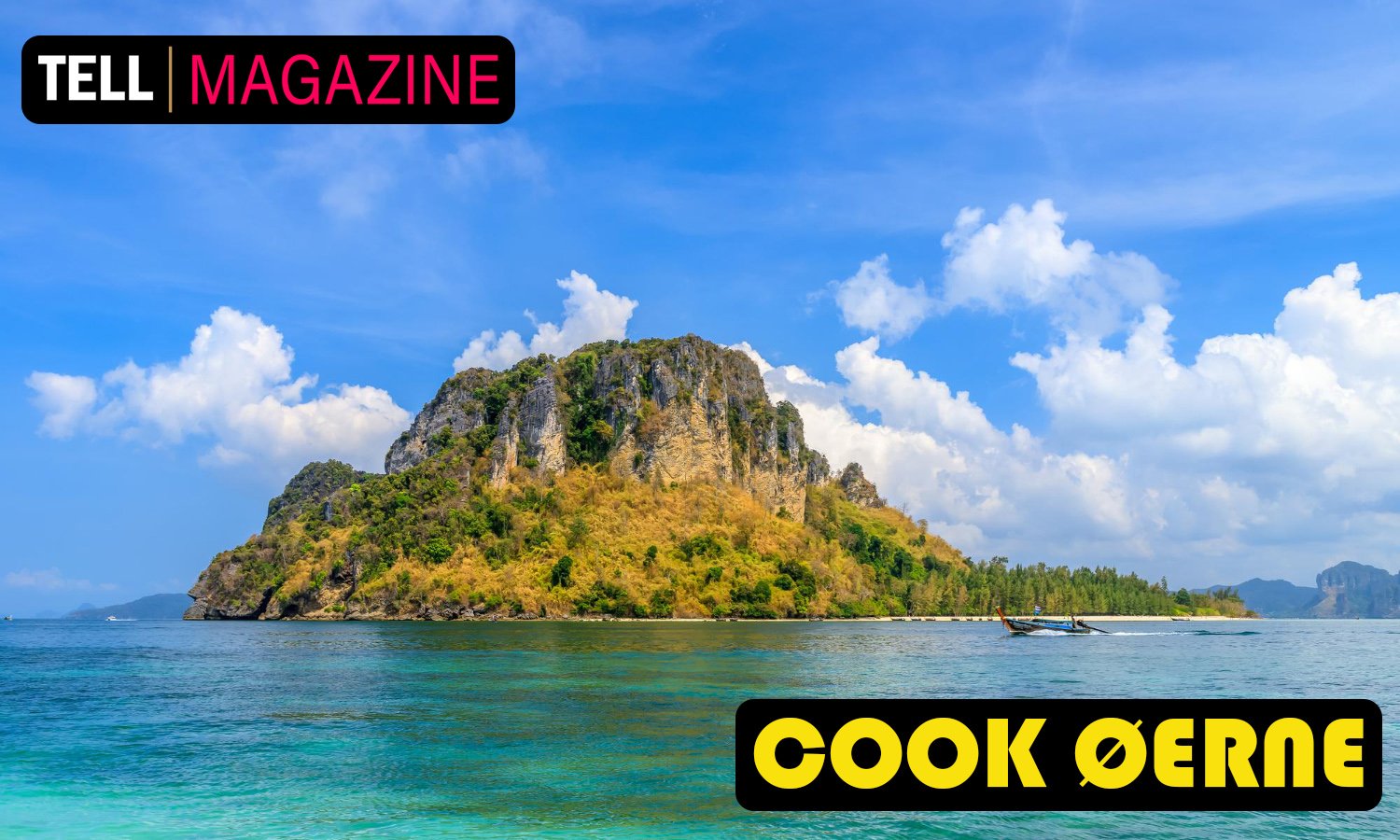
Cook Øerne is nothing more mysterious than the Danish name for the Cook Islands, a real, self-governing Polynesian country of fifteen islands spread across the South Pacific Ocean in free association with New Zealand. This article explains what the Cook Islands genuinely are, why Danish speakers searching “Cook Øerne” are simply looking for travel and geographic information about a real, well-documented destination, and what a visitor or curious reader should actually know.
What Does Cook Øerne Translate To?
Øerne is the definite plural form of the Danish word for islands, so Cook Øerne translates directly to “the Cook Islands,” the same real country widely documented in English-language geographic and travel references. This is a straightforward translation rather than a separate or distinct place, and Danish travel sites and forums use the term interchangeably with its English equivalent.
Where Are the Cook Islands Located?
The Cook Islands sit in the South Pacific Ocean within the wider region of Polynesia, comprising fifteen islands spread across roughly 236.7 square kilometers of land while controlling an exclusive economic zone of nearly two million square kilometers of ocean. The capital, Avarua, is located on the main island of Rarotonga, which also serves as the country’s principal population and tourism center.
A Small Land Area, a Vast Ocean Territory
The contrast between the islands’ modest land area and their enormous surrounding ocean zone is one of the most distinctive facts about the Cook Islands, reflecting how widely the fifteen islands are scattered across the Pacific rather than clustered closely together.
What Is the Cook Islands’ Government Status?
The Cook Islands operates as a constitutional monarchy in free association with New Zealand, a specific political arrangement that has applied since self-governance began in 1965. Under this structure, the islands manage their own foreign policy and customs regulations while maintaining close constitutional ties to New Zealand, and the country holds diplomatic relationships with over fifty nations despite not being a United Nations member state.
Why This Status Matters for Travelers
This free association status affects practical details like currency, which follows the New Zealand dollar, and residency rules, both worth understanding before planning a visit, since the arrangement differs meaningfully from a fully independent nation or a standard overseas territory.
What Makes the Islands Geographically Notable?
The Cook Islands were formed through volcanic activity, with the northern island group consisting of older coral atolls that developed from sunken volcanic peaks over geological time, while the southern islands remain more volcanically youthful. In 2017 the country established Marae Moana, a marine protected area covering the entire exclusive economic zone, making it the largest protected area of its kind by size anywhere in the world at the time of its creation.
A Global Leader in Ocean Conservation
Marae Moana represents a significant environmental commitment for a country with such a small population, and it has been referenced repeatedly in international ocean conservation discussions as a model for how small island nations can protect disproportionately large ocean territories.
What Is the Population and Economy Like?
According to the 2021 census, the Cook Islands has approximately 15,040 residents, with the majority concentrated on Rarotonga. Tourism dominates the economy, accounting for roughly two-thirds of gross domestic product, while the islands have also developed a niche international reputation for asset protection trusts and are beginning to explore seabed mineral resources as a potential future economic sector.
Why Tourism Drives So Much of the Economy
The islands’ reliance on tourism reflects both their natural appeal, coral reefs, lagoons, and a relatively undeveloped Pacific island atmosphere, and the practical limits of operating other large-scale industries across such a widely dispersed and remote group of islands.
Why Do Danish Speakers Search for Cook Øerne Specifically?
Danish is one of several European languages with an established travel media presence covering the Cook Islands, and Danish-language travel blogs and agencies specifically promote trips to Rarotonga and the surrounding islands, often highlighting the destination’s relatively long flight times from Europe balanced against its comparative lack of overcrowding relative to more famous Pacific destinations.
How This Differs From a Manufactured Keyword
Unlike many unfamiliar-sounding search terms that turn out to be manufactured trend keywords with no real referent, Cook Øerne resolves immediately and completely to a well-documented, real country with an established government, economy, and extensive independent coverage across multiple languages, leaving no ambiguity to investigate further.
How to Plan a Trip to the Real Cook Islands
Travelers interested in visiting typically fly into Rarotonga, the main hub, before optionally continuing to other islands within the group such as Aitutaki, known for its lagoon. Currency follows the New Zealand dollar, and visitors from many countries can enter without a visa for short stays, though checking current entry requirements directly with official Cook Islands tourism resources before booking remains the most reliable approach.
What to Verify Before Booking
Confirming current flight routes, entry requirements, and accommodation availability directly through official tourism channels is particularly important for a remote destination like the Cook Islands, where infrastructure and travel logistics can differ significantly from larger, more frequently visited countries.
A Quick Verification Checklist
For readers short on time: Cook Øerne is simply the Danish name for the Cook Islands, a real, self-governing Polynesian nation in free association with New Zealand, with a capital at Avarua on Rarotonga, a population of roughly fifteen thousand, and an economy dominated by tourism. There is no separate or hidden meaning behind the term beyond this straightforward translation.
Why This Kind of Translation Confusion Happens
Search terms combining an English place name with a foreign-language word, as with “Cook” and the Danish “Øerne,” sometimes appear unfamiliar or ambiguous to readers or automated systems that treat them as a single, unfamiliar phrase rather than recognizing the translation pattern at work. Understanding basic geographic naming conventions across languages resolves this kind of confusion quickly.
Why Recognizing Translated Place Names Matters
Being able to recognize when a search term is simply a foreign-language translation of a familiar place, rather than assuming it names something new or mysterious, is a useful general skill for navigating international travel content and geographic research online.
What Should Travelers Know Before Booking a Trip?
Flights to the Cook Islands typically route through hub airports in New Zealand or Australia, reflecting the islands’ relatively remote position in the South Pacific and their close ties to New Zealand specifically. Travelers should also be aware that inter-island travel within the Cook Islands generally requires small domestic flights or ferries, since the fifteen islands are spread across a wide area rather than being closely connected by road or bridge.
Why Trip Planning Requires Extra Lead Time
Because flight frequency to and within the Cook Islands is lower than for more heavily trafficked destinations, travelers generally benefit from booking well in advance and building flexibility into their itineraries, particularly if they intend to visit more than one island during a single trip.
Why Do Some Travel Sites Use the Danish Name Specifically?
Danish-language travel publications and agencies use “Cook Øerne” simply because it is the natural, correct term for Danish-speaking audiences researching the destination, in the same way that English-language sites use “Cook Islands” and French-language sites might use “Îles Cook.” This is standard practice for any travel publication writing for a specific language audience about a specific real destination.
Scandinavian travel media in particular has covered the South Pacific region for decades, often framing long-haul destinations like the Cook Islands as a once-in-a-lifetime trip given the substantial travel time involved from Northern Europe. This framing is common across Danish, Norwegian, and Swedish travel writing about the wider Pacific region generally, not unique to the Cook Islands specifically.
What Should You Remember Most About This Search Term?
The single most useful fact to take away is that Cook Øerne and Cook Islands name exactly the same real, well-documented country, with no separate meaning, hidden trend, or manufactured concept lurking behind the Danish phrasing. Anyone encountering the term while researching a trip, reading Danish travel content, or simply translating unfamiliar text can proceed with full confidence that it refers to the genuine Polynesian nation described throughout this article, right down to its capital, population, government structure, and tourism-driven economy.
What Do Independent Encyclopedic Sources Confirm?
General encyclopedic references independently confirm every core fact already outlined here, the location in Polynesia, the free association status with New Zealand, the capital at Avarua, and the population figures from the most recent census, providing a second, independently maintained source that agrees entirely with official tourism and government materials.
Why Independent Corroboration Strengthens This Case
When a general encyclopedic reference and official tourism or government sources agree on the same specific, checkable details, that agreement across independently maintained sources is meaningfully stronger evidence than relying on any single source alone, particularly for a term that might otherwise be mistaken for something unfamiliar or manufactured.
How Do Other Languages Refer to the Same Country?
Beyond Danish, other Scandinavian and European languages use similarly direct translations of “Cook Islands” when referring to the same country, reflecting standard practice for translating proper geographic names rather than any special or unusual naming convention specific to Cook Øerne.
Why This Cross-Language Pattern Is Unremarkable
Countries with English-derived names are routinely translated into their component parts, “islands” becoming “øerne,” “inseln,” or an equivalent word, across many European languages, a completely ordinary linguistic practice that applies to countless other place names beyond this one example.
Conclusion
Cook Øerne is simply the Danish name for the Cook Islands, a real, well-documented Polynesian nation of fifteen islands in free association with New Zealand, governed as a constitutional monarchy with its capital at Avarua on Rarotonga. The islands are known for their vast protected ocean territory, tourism-driven economy, and relatively remote South Pacific location. Danish speakers searching this term are simply looking for travel and geographic information about this genuine, thoroughly documented destination.
This is precisely the kind of result careful, research-first checking is meant to produce: a clear, confident, and completely unremarkable answer, rather than an invented mystery requiring further investigation.
Frequently Asked Questions
What does Cook Øerne mean?
Cook Øerne is Danish for “the Cook Islands,” referring to the same real, self-governing Polynesian country documented under its English name.
Where are the Cook Islands located?
They are located in the South Pacific Ocean within Polynesia, comprising fifteen islands with a capital at Avarua on the main island of Rarotonga.
Are the Cook Islands an independent country?
They operate as a constitutional monarchy in free association with New Zealand, managing their own foreign policy and customs while maintaining close constitutional ties to New Zealand.
What is the Cook Islands known for?
The islands are known for tourism, coral reefs and lagoons, the Marae Moana marine protected area, and a small population of around fifteen thousand people.
Do I need a visa to visit the Cook Islands?
Visa requirements vary by nationality, so checking current entry rules through official Cook Islands tourism resources before booking travel is the most reliable approach.


SCADA Cybersecurity Best Practices for Industrial Facilities

What Glaadvoice Com Really Is and Who Stands Behind It

What Sparkpressfusion Com Shows About Its Own Team and Claims

Who Is William Lancelot Bowles Jr.? The Intriguing Untold Tale of Phylicia Rashad’s Ex-Husband

Who Is Chanelle Haynes? The Fascinating True Story of Cornell Haynes III’s Sister

The Inspiring Story of Kelly Davis Rucker: From Struggle to Success
-
 Celebrity4 months ago
Who Is William Lancelot Bowles Jr.? The Intriguing Untold Tale of Phylicia Rashad’s Ex-Husband
-
 Celebrity4 months ago
Who Is Chanelle Haynes? The Fascinating True Story of Cornell Haynes III’s Sister
-
 Celebrity4 months ago
The Inspiring Story of Kelly Davis Rucker: From Struggle to Success
-

 Technology2 months ago
Voozon.com Review: Is It Legit? Features, Benefits, and What to Know
-

 Celebrity2 months ago
Who Is Dallas Yocum? The Fascinating Life Story of Mike Lindell’s Ex-Wife
-

 Celebrity2 months ago
Who Is Noah Wilde West? Everything to Know About Chyler Leigh’s Son
-

 Business2 months ago
UploadArticle.com Review: Is It the Best Free Platform to Upload Articles?
-

 Blog2 months ago
Who Is Cassandra Jade Estevez? The Captivating Life Behind Casey Huffman Wife