
Guide
Pyntekvister: What a Careful Search Actually Finds Behind This Term

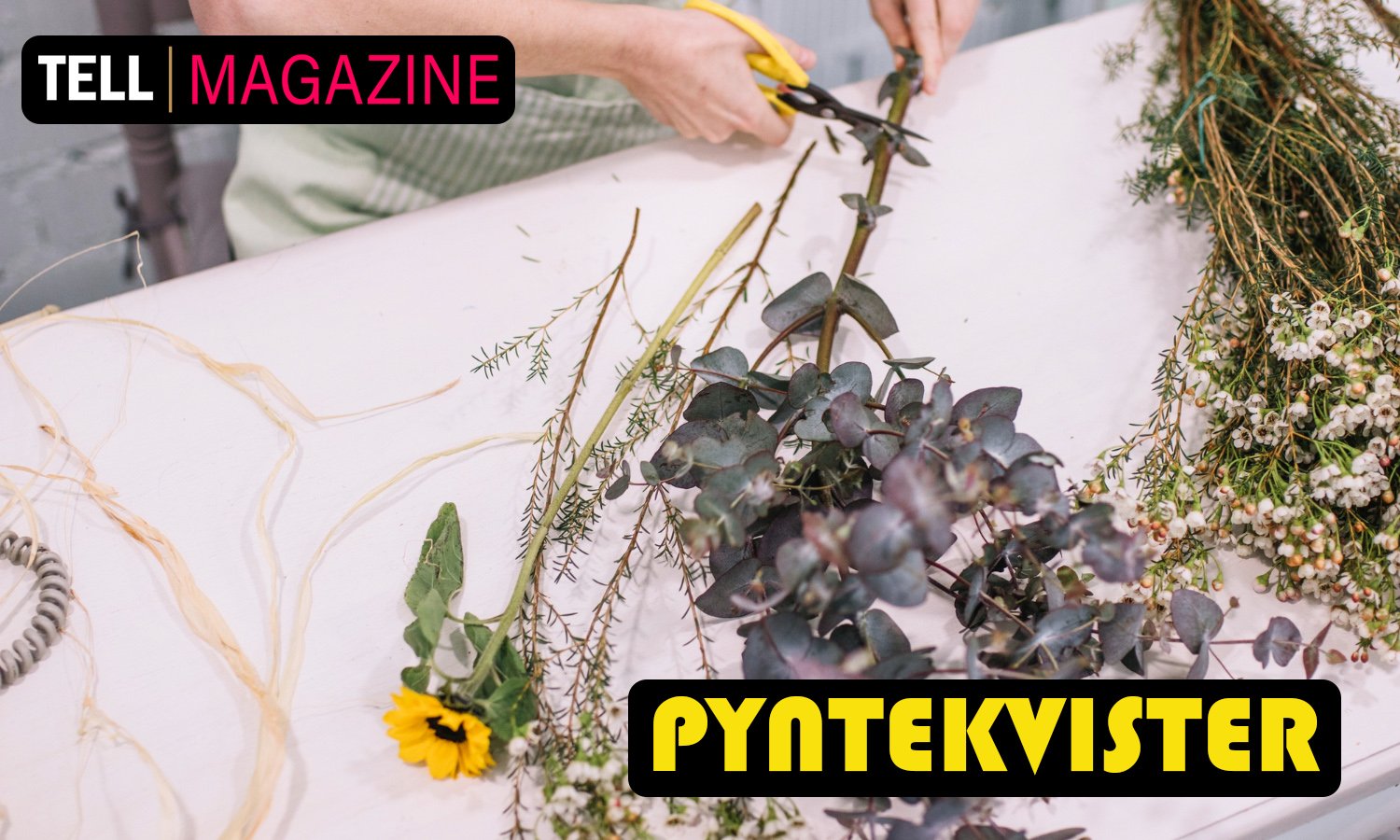
Pyntekvister is presented across a cluster of recent “home decor guide” websites as a specific Scandinavian decorating concept involving arranged decorative branches, yet a careful check of Norwegian and Danish reference sources finds no dictionary or encyclopedia entry for “pyntekvister” as an established compound word, even though its two component parts, “pynte” (to decorate) and “kvist” or “kvister” (twig or twigs), are genuine, everyday words in both languages. This article explains what the real underlying decorating tradition actually looks like, why the packaged term “Pyntekvister” itself does not hold up as a documented single word, and how to tell a real Scandinavian home decor practice from a manufactured keyword built to look like one.
What Is Pyntekvister Claimed to Be?
Numerous similarly structured articles describe Pyntekvister as a specific, named Scandinavian decorating tradition involving arranged decorative branches for the home, often framed with historical claims about “ancient Nordic customs” and elaborate seasonal styling advice. Nearly identical versions of this framing appear across a large number of separately branded sites, each presenting the same general concept, the same vague historical claims, and similar step-by-step decorating tips, without any of them citing a specific Norwegian or Danish dictionary, museum, or cultural institution confirming “Pyntekvister” as an actual named tradition or documented single word.
Are Pynte and Kvist Real Scandinavian Words?
Yes. “Pynte” is a genuine, common Norwegian and Danish verb meaning to decorate or adorn, used constantly in ordinary seasonal contexts, including phrases describing decorating a home, a table, or a Christmas tree for the holidays. “Kvist,” with the plural “kvister,” is likewise a genuine, everyday word for a twig or small branch in both languages. Combining decoration and twigs is not a linguistic stretch at all, since decorating with evergreen branches and twigs is a well documented, genuinely practiced part of Nordic Christmas and seasonal tradition, covered by established general reference sources describing Norwegian Christmas customs.
Does a Dictionary or Encyclopedia Actually Define Pyntekvister as One Word?
No standard Norwegian or Danish dictionary search, and no entry in Norway’s major general encyclopedia, returns “pyntekvister” as a defined, standalone compound word. Genuine Norwegian compound words describing holiday greenery, such as “pyntegrønt” (decorative greenery), do appear in established reference and retail contexts, but “pyntekvister” specifically does not surface in the same way. This is a meaningfully different situation from previously verified genuine Scandinavian and other foreign-language compound terms, where an actual dictionary or authoritative reference source directly confirms the exact compound word in question.
Why This Distinction Matters
A term built from two real root words is not automatically itself a real, established word, in the same way that combining two real English words in a plausible-sounding way does not guarantee the resulting compound is a term anyone actually uses. The gap between “these are real component words” and “this specific compound is a documented, established term” is exactly where a manufactured keyword can hide.
Why Do So Many Sites Use the Same Pyntekvister Framing?
The pattern of numerous separately branded home decor and lifestyle sites publishing near-identical “complete guide” articles about the same specific packaged term, each including similar historical claims, similar decorating tip structures, and similar generic stock photography style descriptions, without a single one linking back to an actual Norwegian or Danish source using the word, is consistent with a manufactured keyword being seeded across many low-cost content properties simultaneously rather than a genuine, organically used cultural term being documented by independent writers.
What This Suggests About the Underlying Content
When many articles describe the exact same “term” with the exact same structure but none of them can point to a primary source confirming the term itself, independent of its real component words, the most reasonable conclusion is that the packaged compound was assembled for search visibility rather than drawn from an actual established Scandinavian vocabulary.
Is Decorating With Branches and Twigs a Real Scandinavian Tradition?
Yes, and this part deserves to be stated clearly and separately from the question of the specific term. Decorating homes with evergreen branches, twigs, and greenery during the winter holiday season is a well documented, genuinely practiced part of Norwegian and broader Nordic Christmas tradition, connected to the use of evergreen materials symbolizing life and continuity through the darkest months of the year. This real tradition simply is not attached to a single, specific dictionary-confirmed word spelled “Pyntekvister.”
How Should You Evaluate a Foreign-Language Decorating Term Online?
A structured approach helps separate a genuine Scandinavian or other foreign-language decorating term from a manufactured keyword assembled from real component words.
Check the Exact Compound Against a Real Dictionary
Searching the specific compound word, not just its individual root words, against an established dictionary or encyclopedia in the relevant language is the clearest way to confirm whether it is genuinely documented as a standalone term.
Look for the Term Used by Native Speakers in Ordinary Context
Genuine Scandinavian home and holiday terms typically appear in native-language blogs, retail listings, and casual social media use by people actually speaking the language day to day, not exclusively within English-language “guide” articles aimed at international search traffic.
Notice When Every Source Reads Like the Same Template
A cluster of separately branded sites publishing nearly identical structure, historical claims, and decorating advice around one specific packaged term, without any of them citing a real primary source, is a strong signal of coordinated or templated content rather than organic documentation of an actual cultural term.
Why Does It Matter Whether Pyntekvister Is a Documented Word?
Readers interested in genuine Scandinavian holiday decorating traditions deserve an accurate picture of which parts of what they’re reading reflect real, practiced customs and which parts are assembled packaging around those customs. Presenting “Pyntekvister” as though it were itself a long-established, specifically named tradition, when the actual documented material only supports its real component words and the broader practice of decorating with branches, risks readers walking away with an inflated and slightly inaccurate impression of a term’s cultural weight.
How Common Is This “Real Words, Manufactured Compound” Pattern?
This pattern, where a keyword combines two genuinely real words from a language in a way that sounds entirely plausible but does not itself appear in dictionaries or encyclopedic sources, represents a distinct and increasingly common category of manufactured content, separate from keywords built from entirely invented syllables. It is a more convincing version of the manufactured-keyword pattern precisely because a quick check of the individual words returns real results, making the underlying compound feel verified when only its parts actually are.
What Should You Do If You Want to Decorate With Branches the Scandinavian Way?
Readers genuinely interested in Nordic-style holiday branch and twig decorating are better served searching for the real, dictionary-confirmed terms like “pyntegrønt” or general Norwegian and Danish Christmas decorating traditions directly, along with established home and lifestyle publications covering genuine Nordic seasonal styling, rather than treating “Pyntekvister” itself as a specific named tradition with its own separate history.
How Do Genuine Scandinavian Compound Words Typically Get Documented?
Comparing the Pyntekvister case against genuinely documented Scandinavian compound words, such as previously verified terms describing rental agents or measuring instruments in other languages, highlights the gap here. A real, established compound word typically appears in a standard dictionary entry with a clear definition, shows up in ordinary native-speaker use across retail listings, news articles, and casual conversation, and can usually be traced through general reference works describing the broader cultural practice it names. Pyntekvister’s individual roots satisfy the cultural-practice piece of this picture, since decorating with twigs and branches is genuinely documented, but the specific compound itself does not clear the dictionary-entry or ordinary-native-use bar that a genuinely established Scandinavian term would.
What Broader Lesson Does the Pyntekvister Case Illustrate?
The Pyntekvister case illustrates that verifying a foreign-language term requires checking the exact compound as written, not simply confirming that its individual pieces are real words in that language. A search that stops at “yes, pynte is a real word” and “yes, kvister is a real word” can create false confidence that the combined term is equally well established, when only a direct dictionary or encyclopedia check of the full compound, alongside genuine native-speaker usage, can actually confirm that.
What Role Does Seasonal Greenery Play in Nordic Homes Beyond Christmas?
While the branch-decorating tradition underlying the Pyntekvister claims is most strongly associated with the Christmas season, Nordic households also bring seasonal greenery and cut branches indoors at other points in the year, including forced spring branches like pussy willow or birch twigs placed in water to encourage early budding as a way of marking the transition out of the long Nordic winter. This broader, year-round relationship with bringing natural materials indoors for seasonal decoration is well documented and reinforces that the underlying cultural practice referenced by the manufactured “Pyntekvister” keyword is genuine, even though the specific packaged term used to describe it is not.
Forced Branches as a Distinct Seasonal Tradition
The practice of cutting branches in late winter and bringing them indoors to force early blooming is a distinct seasonal tradition from Christmas branch decorating, and conflating the two under one invented umbrella term like Pyntekvister risks blurring genuinely separate, individually documented Nordic seasonal customs into a single, imprecise packaged concept.
What Do Real Norwegian Retailers Call Decorative Branch Products?
Genuine Norwegian and Scandinavian retailers selling decorative branches, wreaths, and holiday greenery use established, dictionary-recognized terms such as “pyntegrønt” for decorative greenery generally, along with specific plant names like “gran” (spruce) or “einer” (juniper) when describing the actual materials used. Reviewing how real commercial listings and home decor retailers describe these products, rather than relying on the guide-style articles that introduced “Pyntekvister,” provides a much more reliable picture of the actual vocabulary Scandinavian consumers and retailers use for this category of seasonal decor.
Why Retail Terminology Is a Useful Verification Tool
Commercial retailers have a direct financial incentive to use terminology that actual customers search for and recognize, making genuine retail product listings a particularly reliable indicator of real, commonly used vocabulary compared to search-optimized guide articles that may simply be testing which invented terms attract clicks.
How Should International Readers Approach Nordic Seasonal Decor Content Generally?
International readers interested in Nordic-style seasonal home decor benefit from approaching this content category with a general awareness that a meaningful share of English-language “Scandinavian decorating guide” content online is produced by writers with no direct connection to Scandinavia, sometimes packaging genuinely real cultural practices under invented or imprecise terminology to create appealing, search-friendly content. This does not mean genuine Nordic decorating traditions aren’t worth learning about, since many of them, including the real practice of decorating with evergreen branches, are well documented and genuinely appealing, but it does mean applying the same verification standard, checking specific terms against real dictionaries and native usage, that would apply to any other foreign-language cultural claim.
Conclusion
Pyntekvister combines two genuine Norwegian and Danish words, “pynte” (to decorate) and “kvister” (twigs), describing a real and well documented Nordic tradition of decorating with evergreen branches during the holiday season. However, no Norwegian or Danish dictionary or encyclopedia confirms “Pyntekvister” itself as an established, standalone compound word, and the term appears almost exclusively across a cluster of near-identical content-farm style guide articles rather than in genuine native-language use. Readers interested in authentic Scandinavian branch and twig decorating traditions are better served researching the real, documented terms and practices directly rather than treating this specific packaged compound as an established cultural term in its own right.
Frequently Asked Questions
What does Pyntekvister mean?
It combines “pynte” (to decorate) and “kvister” (twigs), both real Norwegian and Danish words, but the compound itself is not confirmed as an established term in any dictionary or encyclopedia.
Is Pyntekvister a real, documented Scandinavian word?
No standard dictionary or encyclopedia entry confirms this exact compound word, even though its individual root words and the broader decorating tradition they describe are genuinely real.
Is decorating with branches and twigs a real Nordic tradition?
Yes. Decorating homes with evergreen branches and twigs during the winter holiday season is a well documented, genuinely practiced part of Norwegian and broader Scandinavian Christmas tradition.
Why do so many websites use the exact same Pyntekvister framing?
Numerous separately branded sites publish near-identical structure, historical claims, and decorating tips around this specific term without citing any primary source, a pattern consistent with a manufactured keyword rather than organic documentation.
What should I search for if I want authentic Scandinavian decorating ideas?
Search for dictionary-confirmed terms like “pyntegrønt” or general Norwegian and Danish Christmas decorating traditions directly, rather than treating “Pyntekvister” as an established named tradition on its own.


Who Was Vivian Ridge? The Devoted Life Story of Bob Ross’s First Wife

Who Is Elaine Starchuk? The Resilient Life Story of Tommy Lee’s First Wife

Who Is Donna Joan Shaffer-Ackles? The Devoted Life Story of Jensen Ackles’s Mother

Who Is William Lancelot Bowles Jr.? The Intriguing Untold Tale of Phylicia Rashad’s Ex-Husband

The Inspiring Story of Kelly Davis Rucker: From Struggle to Success

Voozon.com Review: Is It Legit? Features, Benefits, and What to Know
-
 Celebrity3 months ago
Who Is William Lancelot Bowles Jr.? The Intriguing Untold Tale of Phylicia Rashad’s Ex-Husband
-
 Celebrity3 months ago
The Inspiring Story of Kelly Davis Rucker: From Struggle to Success
-
 Technology3 weeks ago
Voozon.com Review: Is It Legit? Features, Benefits, and What to Know
-

 Celebrity3 months ago
Who Is Ella Sofia Gordon? The Incredible Story Behind Jeff Gordon’s Daughter
-

 Celebrity2 months ago
Who Is Chanelle Haynes? The Fascinating True Story of Cornell Haynes III’s Sister
-

 Celebrity3 months ago
Who Is Iona McKidd? The Hidden Brilliance of Kevin McKidd’s Daughter
-

 Celebrity3 months ago
Who Is Simone Cruickshank Rivera? The Inspiring Journey of Geraldo Rivera’s Daughter
-

 Business3 weeks ago
UploadArticle.com Review: Is It the Best Free Platform to Upload Articles?