
Blog
Wachappe: What a Careful Search Actually Finds Behind This Name

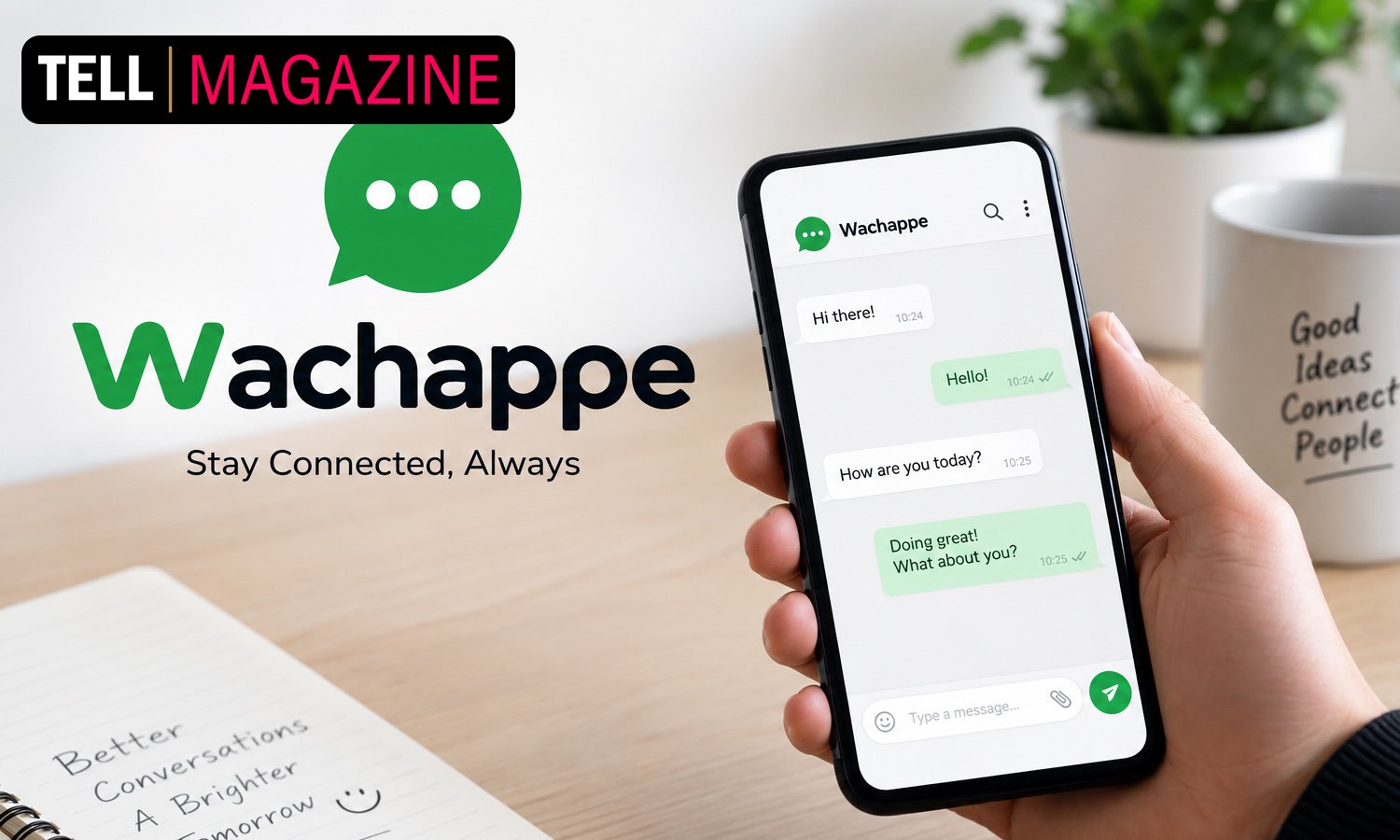
Wachappe is a name promoted online as “the next big thing in digital communication,” yet a careful check of the sites and articles using this framing finds no functioning messaging application, verifiable company, or downloadable product actually available under this name. The domain most directly associated with the term hosts only a placeholder-style blog with a single vague article and no links to an app store listing, a signup page, or any other functioning product, a pattern consistent with a manufactured keyword rather than a genuine communication platform. This article explains what the available sources actually show about Wachappe, why the framing around it does not hold up to direct scrutiny, and how to evaluate a “new app” claim that lacks basic verifiable substance.
What Is Wachappe Claimed to Be?
Articles referencing Wachappe describe it in broad, enthusiastic terms as a transformative new platform for digital communication and messaging, sometimes drawing an implicit comparison to established messaging apps through the similarity of its name. These descriptions typically emphasize how quickly digital communication has evolved in general terms, a trend documented by independent research on messaging app adoption, without ever specifying what Wachappe itself actually does differently, what features distinguish it from existing messaging platforms, or how a reader could actually download or sign up to use it.
What Does a Direct Review of Wachappe.com Actually Show?
A direct review of wachappe.com reveals a barebones WordPress blog containing only a couple of posts, with no identified company, founder, or functioning product linked anywhere on the site. The site does not link to an app store listing, a web-based messaging platform, or any other place where a reader could actually access or try a “Wachappe” communication service. This is a significant gap for any genuine messaging platform, since even an early-stage or beta communication app would typically provide at least a basic signup mechanism, a waitlist, or a downloadable file, none of which appears to exist here despite the confident, forward-looking language used to describe it.
Is There Any Verifiable Company or Product Behind Wachappe?
No named founder, development team, business registration, or press coverage from an established technology outlet can be verified in connection with Wachappe, despite a reasonably thorough search across the sources currently discussing the name. Genuine messaging applications, even small or newly launched ones, typically generate at least some independent trace of real development activity, a GitHub repository, an app store listing with a version history, or coverage from technology journalists covering new communication tools. No such independent evidence exists for Wachappe based on available sources.
Why Do Articles About Wachappe Read the Way They Do?
Content describing Wachappe follows a pattern common to speculative, search-optimized “explainer” articles built around a name that sounds plausible as a messaging product without any real substance behind it.
Generic Claims About Digital Communication Trends
Much of the available content about Wachappe discusses how digital communication has changed broadly over the past decade, a genuinely true and verifiable general observation, without connecting that broader trend to any specific, verifiable feature or function that Wachappe itself provides.
Speculative Framing Around Features and Safety
At least one source frames its discussion of Wachappe explicitly around “possible features” and “safety concerns,” language that itself signals speculation rather than a description of a confirmed, existing product with known, testable functionality.
No Functioning Access Point
Perhaps most tellingly, none of the available sources provide a working link to actually download, sign up for, or otherwise access a real “Wachappe” application, which is the most basic requirement any genuine software product would meet.
Could Wachappe Be Confused With an Established Messaging App?
The name Wachappe bears a passing phonetic resemblance to WhatsApp, a globally established messaging application, and it is worth considering whether search interest in “Wachappe” partly reflects misspellings or mishearings of the more famous app’s name. However, no evidence suggests any official or unofficial connection between the terms beyond this coincidental similarity in sound, and readers specifically looking for WhatsApp should search for that established platform directly rather than any Wachappe-branded content, which appears unconnected to it.
How Should You Confirm Whether a “New App” Claim Is Real Before Trusting Coverage of It?
A short, repeatable verification process helps separate genuine new communication apps from manufactured or unverifiable keywords like Wachappe.
Look for an Actual App Store Listing
A real mobile messaging app should appear on the Apple App Store or Google Play Store with a version history, a developer name, and genuine user reviews. The absence of any such listing is one of the clearest signals that a claimed app does not actually exist as a downloadable product.
Check for a Functioning Web Platform or Signup Page
If a communication tool is web-based rather than a mobile app, it should still provide a functioning way to actually create an account or send a message, rather than only a marketing-style article describing the concept in general terms.
Search for the Company Name Independently of Its Own Marketing Content
Searching for a claimed product alongside terms like “review,” “reddit,” or “download” tends to surface independent user discussion if a genuine product with any real user base exists at all. An absence of any such independent discussion, despite an active promotional presence, is a meaningful gap.
Verify Developer or Company Information
A legitimate app should identify its developer or publishing company, information typically available on its app store listing or website, which prospective users can then check for a verifiable business registration or track record with other software products.
Why Does It Matter Whether Wachappe Is a Real App?
Readers researching Wachappe are likely trying to determine whether it represents a genuinely useful new communication tool worth their time and attention. Directing them toward enthusiastic but unverifiable marketing language, without a functioning product to actually evaluate, wastes that research time and risks normalizing manufactured product names as though they represent genuine, usable options in the crowded digital communication space.
What Should You Do If You’re Looking for a New Messaging App to Try?
Readers genuinely interested in exploring newer messaging and communication tools are better served researching established, verifiable options with confirmed app store listings, transparent privacy policies, and independent user reviews, rather than pursuing an unverifiable name like Wachappe that lacks any functioning product to actually test. Comparing a handful of well-documented messaging platforms directly, considering factors like end-to-end encryption, cross-platform availability, independent security audits, and how long each platform has maintained an active, verifiable user base, gives a far more productive path toward finding a genuinely useful new communication tool than continuing to search for more detail about a name that does not hold up under basic scrutiny.
What Tools Can You Use to Check Whether an App Genuinely Exists?
Several straightforward, free methods let anyone verify whether a claimed app like Wachappe genuinely exists as a downloadable, functioning product. Searching the Apple App Store and Google Play Store directly by name is the most direct check, since a genuinely available mobile app will appear in these stores with a description, screenshots, a version number, and a size in megabytes. Checking a domain’s registration history and hosting details can also reveal whether a site associated with a claimed app has existed long enough and maintained consistent enough infrastructure to suggest genuine ongoing development, as opposed to a recently created placeholder site built quickly and primarily to host speculative content. Searching technology news archives and app review aggregator sites for the specific product name provides another layer of verification, since a genuinely notable new communication app, even a small one, often receives at least some coverage from technology journalists or app review communities actively looking for new tools worth evaluating and recommending to their own readers.
Why Do Manufactured App Names Sometimes Target Communication and Messaging Specifically?
Communication and messaging tools are a particularly common category for manufactured or speculative product names, likely because messaging apps are a topic with broad, ongoing public interest and search volume, given how central they are to daily digital life. A name that sounds plausible as a messaging app can attract search traffic from people curious about new communication options, privacy-focused alternatives to mainstream apps, or simply people who misremember or mistype the name of an app they heard about from a friend, a colleague, or an advertisement elsewhere. This combination of broad topical interest and the relatively low bar for creating search-optimized content about a plausible-sounding but nonexistent app makes messaging and communication tools a recurring category where this kind of manufactured keyword pattern shows up again and again across otherwise unrelated invented product names.
What Broader Lesson Does the Wachappe Case Offer?
The Wachappe case reinforces a lesson applicable well beyond this specific name: an article’s confident, enthusiastic tone about a “next big thing” carries no inherent connection to whether the thing it describes actually exists and functions as claimed. Readers evaluating any unfamiliar technology product, app, platform, or tool encountered primarily through search results benefit from treating a polished, exciting write-up and verifiable, checkable substance as two entirely separate questions, confirming the latter directly before accepting the former’s framing as accurate, particularly in a technology landscape where genuinely new communication tools do launch regularly and deserve to be distinguished clearly from names that generate content without any real, functioning product behind them at all.
Conclusion
Wachappe is promoted as an exciting new communication platform, but a direct review of the sites associated with the name finds no functioning application, verifiable company, app store listing, or independent evidence of real development activity behind it. The available content relies on general, verifiably true observations about how digital communication has changed broadly, without ever connecting those observations to a specific, testable product a reader could actually use. Readers interested in new messaging tools are better served researching established, verifiable platforms rather than continuing to investigate a name that shows no evidence of an actual, usable product behind it.
Frequently Asked Questions
Is Wachappe a real messaging app?
No verifiable evidence supports this. No app store listing, functioning signup page, named developer, or independent user discussion can be confirmed in connection with Wachappe.
Is Wachappe connected to WhatsApp?
No official or unofficial connection can be verified. The names share a coincidental phonetic similarity, but no evidence links Wachappe to the established WhatsApp platform.
Where can I download the Wachappe app?
No functioning download link, app store listing, or signup page for a “Wachappe” application could be found across available sources, suggesting no such downloadable product currently exists.
How can I check if a new messaging app I found online is legitimate?
Look for a genuine app store listing with a developer name and user reviews, check for independent discussion outside the app’s own marketing, and verify any claimed developer or company information through an official registry.
What should I do if I want to try a new messaging platform?
Research established, well-documented messaging apps with confirmed app store listings, transparent privacy policies, and independent security reviews rather than pursuing an unverifiable name with no functioning product behind it.


Who Was Vivian Ridge? The Devoted Life Story of Bob Ross’s First Wife

Who Is Elaine Starchuk? The Resilient Life Story of Tommy Lee’s First Wife

Who Is Donna Joan Shaffer-Ackles? The Devoted Life Story of Jensen Ackles’s Mother

Who Is William Lancelot Bowles Jr.? The Intriguing Untold Tale of Phylicia Rashad’s Ex-Husband

The Inspiring Story of Kelly Davis Rucker: From Struggle to Success

Voozon.com Review: Is It Legit? Features, Benefits, and What to Know
-
 Celebrity3 months ago
Who Is William Lancelot Bowles Jr.? The Intriguing Untold Tale of Phylicia Rashad’s Ex-Husband
-
 Celebrity3 months ago
The Inspiring Story of Kelly Davis Rucker: From Struggle to Success
-
 Technology3 weeks ago
Voozon.com Review: Is It Legit? Features, Benefits, and What to Know
-

 Celebrity3 months ago
Who Is Ella Sofia Gordon? The Incredible Story Behind Jeff Gordon’s Daughter
-

 Celebrity2 months ago
Who Is Chanelle Haynes? The Fascinating True Story of Cornell Haynes III’s Sister
-

 Celebrity3 months ago
Who Is Iona McKidd? The Hidden Brilliance of Kevin McKidd’s Daughter
-

 Celebrity3 months ago
Who Is Simone Cruickshank Rivera? The Inspiring Journey of Geraldo Rivera’s Daughter
-

 Business3 weeks ago
UploadArticle.com Review: Is It the Best Free Platform to Upload Articles?