
Food
Masgonzola: What This Cheese Blend Is, How It’s Made, and How to Use It

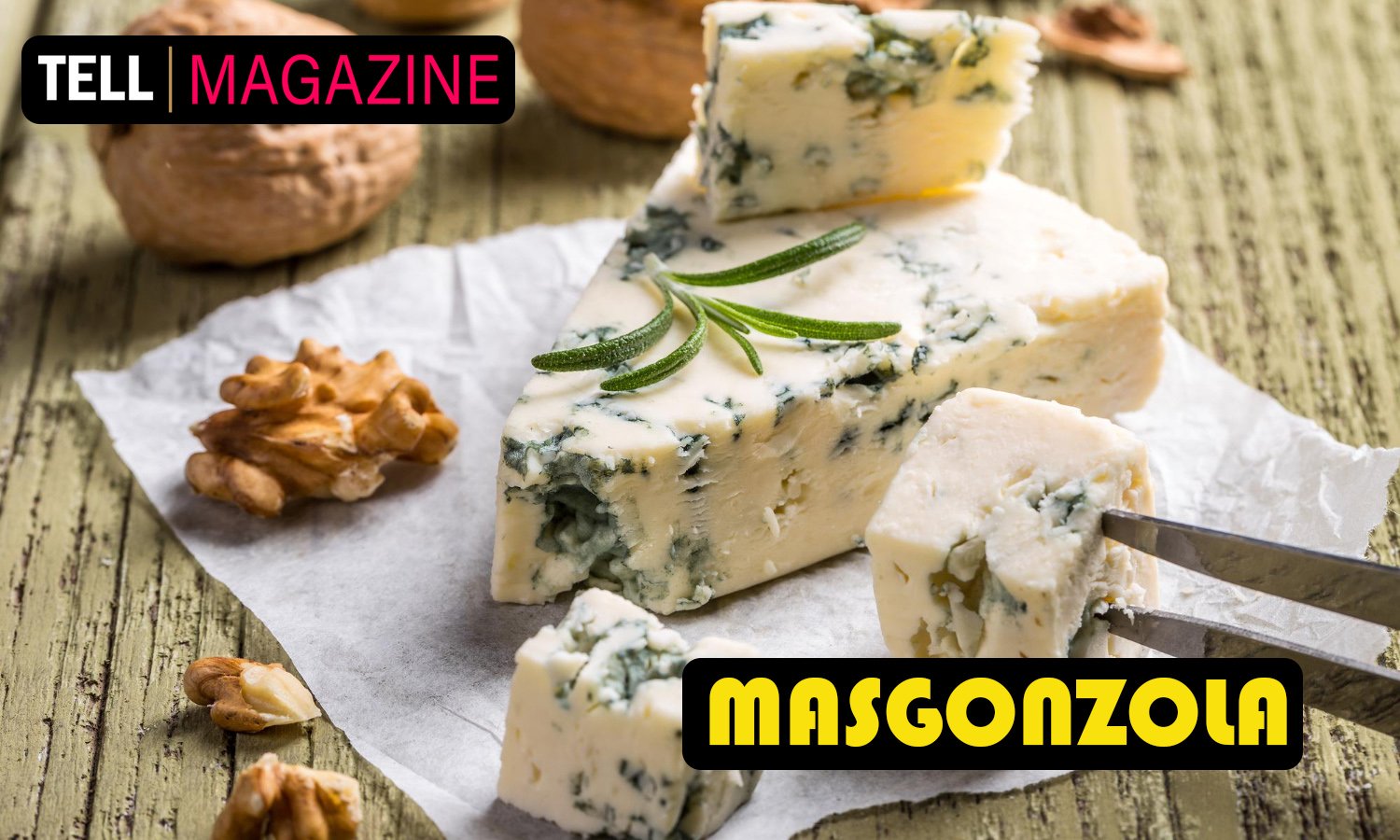
Masgonzola is a cheese blend that combines mascarpone, a soft and mildly sweet Italian cheese, with Gorgonzola, a sharp and salty Italian blue cheese, to create a milder, creamier alternative to blue cheese on its own. Unlike cheddar, mozzarella, or Gorgonzola itself, masgonzola does not carry centuries of tradition or a protected designation of origin; it is a more modern combination that home cooks and cheese makers put together specifically to soften the intensity of blue cheese while keeping its distinctive tang. This article explains exactly what masgonzola is, how it is typically made, what it tastes like, and how to use it in cooking.
What Is Masgonzola?
Masgonzola is a cheese preparation made by combining mascarpone and Gorgonzola, either by fully mixing the two cheeses together or by layering them so each retains some of its individual texture. It is a real product that shows up on cheese counters and in recipes, but it is not a formally established cheese category with its own designated production standards, unlike Gorgonzola, which carries Protected Designation of Origin status in the European Union. The name itself is a portmanteau, blending “mascarpone” and “Gorgonzola” into a single word, and some retailers instead label the same combination as “Gorgonzola e mascarpone” rather than using the blended name.
Why Was Masgonzola Created?
Masgonzola exists to solve a specific problem: straight Gorgonzola, particularly the piccante or aged variety, can be too sharp, salty, and pungent for people who want the flavor of blue cheese without its full intensity. Mixing it with mascarpone, which is smooth, rich, and only mildly sweet, tames that sharpness and adds a creamy texture that spreads more easily than crumbly aged blue cheese. This combination reflects a broader pattern in cheese making and cooking, where softer, milder cheeses are blended with bolder ones to create something more approachable for a wider range of palates, similar to how cream cheese is sometimes blended with stronger cheeses in dips and spreads.
What Does Masgonzola Taste Like?
Masgonzola tastes creamy and tangy at the same time, combining the sweet richness of mascarpone with the sharp, slightly funky bite of Gorgonzola. The exact flavor balance depends on the ratio used and which type of Gorgonzola goes into the mix: Gorgonzola dolce, the younger and milder version, produces a gentler masgonzola, while Gorgonzola piccante, the aged and more pungent version, produces a bolder, sharper blend. The overall effect is often described as blue cheese made more accessible, since the mascarpone rounds out the saltiness and cuts the intensity that can make straight Gorgonzola polarizing for some eaters.
How Is Masgonzola Made?
Masgonzola can be made at home or purchased pre-blended, depending on availability and preference.
Home Preparation
Making masgonzola at home is straightforward and does not require specialized equipment. A cook combines mascarpone and Gorgonzola by hand, typically starting with a base ratio and adjusting to taste, since some people prefer a more pronounced blue cheese flavor while others want the mascarpone to dominate. Softening both cheeses to room temperature before mixing makes them easier to combine into a smooth, spreadable texture rather than a lumpy one.
Layered Preparation
Instead of fully blending the two cheeses, some preparations layer them, spreading a base of mascarpone and topping it with crumbled or thin slices of Gorgonzola. This approach keeps some textural contrast between the creamy mascarpone and the crumbly blue cheese, which some cooks prefer for dishes where visual presentation matters, such as a cheese board or an appetizer platter.
Store-Bought Versions
Some specialty cheese shops and delis sell a pre-made version, sometimes under the masgonzola name and sometimes labeled as a mascarpone and Gorgonzola blend without using the portmanteau. Because there is no standardized recipe or protected designation governing the product, the ratio and quality can vary noticeably between sellers, so tasting before committing to a large purchase is a reasonable approach for anyone trying it for the first time.
How Do You Use Masgonzola in Cooking?
Masgonzola’s creamy, spreadable texture and balanced flavor make it versatile across several types of dishes.
As a Spread
Masgonzola works well as a spread on crackers, crusty bread, or crostini, either on its own or paired with something sweet like fig jam or honey, which plays off the cheese’s tangy notes the same way honey is traditionally paired with straight Gorgonzola.
In Pasta Sauces
Melting masgonzola into warm cream or pasta water creates a quick, rich sauce with built-in tang, without needing to balance a separate blue cheese sauce that can turn overpowering if not carefully proportioned. This makes it a practical shortcut for cooks who want a blue cheese pasta flavor without managing the sharper cheese alone.
On Pizza
Small dollops of masgonzola work as a topping for pizza, particularly on white pizzas or those built around a cream base rather than tomato sauce, where its creaminess complements other toppings like caramelized onion, walnuts, or pear.
In Salad Dressings
Blending masgonzola with a small amount of milk, cream, or vinegar creates a creamy dressing with a milder blue cheese flavor than a straight Gorgonzola dressing, which suits salads built around bitter greens, apples, or roasted vegetables.
What Wine or Drink Pairs Well With Masgonzola?
Masgonzola’s blend of creamy richness and blue cheese tang pairs well with the same categories of drinks traditionally matched with Gorgonzola, adjusted slightly for its softer intensity. Sweet dessert wines, such as a late-harvest Riesling or a Sauternes, complement the tangy notes without competing against them, following the classic pairing logic of sweet wine against salty, pungent cheese. For those who prefer beer, a Belgian-style dubbel or a fruit-forward lambic can offer a similar sweet-against-savory contrast. Because masgonzola is milder than Gorgonzola alone, it also works with lighter reds, such as a Pinot Noir, that might otherwise be overwhelmed by a stronger blue cheese on its own.
How Does Masgonzola Compare to Other Cheese Blends?
Masgonzola belongs to a broader category of blended cheese preparations that combine a mild, creamy base cheese with a stronger, more assertive one to create a more balanced final product. Cream cheese mixed with blue cheese for dips, mascarpone blended with Parmesan for richness in pasta dishes, and ricotta combined with pecorino in some regional Italian preparations all follow similar logic: pairing a neutral, smooth cheese with a bold, flavor-forward one to create something more versatile than either ingredient alone. What distinguishes masgonzola within this category is its specific pairing of two well-known, widely available Italian cheeses, which makes it easy for home cooks to recreate without needing specialty or hard-to-source ingredients.
Is Masgonzola the Same as Gorgonzola?
Masgonzola is not the same as Gorgonzola. Gorgonzola is a specific, protected Italian blue cheese made from cow’s milk with its own designated production region and standards, while masgonzola is a blended preparation that uses Gorgonzola as one of two ingredients, mixed with mascarpone to soften its intensity. Someone looking for the full sharp, salty character of traditional blue cheese should reach for Gorgonzola on its own, while someone who finds Gorgonzola too strong but still wants some of its flavor is the more likely audience for masgonzola.
Is Masgonzola Available to Buy, or Do You Have to Make It Yourself?
Availability varies by region and store. In areas with well-stocked Italian delis or specialty cheese shops, a pre-blended version may be available, sometimes under the masgonzola name and sometimes simply described as a mascarpone and Gorgonzola combination. In areas without that specialty access, making it at home from the two base cheeses, both of which are widely available in most grocery stores, is a simple and reliable alternative that also allows full control over the ratio and final flavor intensity.
How Should You Store Masgonzola?
Because masgonzola contains both a fresh cheese, mascarpone, and a blue cheese, it should be treated with the same care as other fresh dairy products: refrigerated promptly, kept tightly wrapped or in a sealed container to limit moisture loss and prevent it from absorbing other flavors in the refrigerator, and used within a few days of preparation if made at home, since fresh mascarpone has a shorter shelf life than aged, firmer cheeses. A homemade batch generally does not keep as long as a single block of aged Gorgonzola would on its own, so preparing smaller quantities as needed is generally more practical than making a large batch far in advance.
What Should You Know About Masgonzola’s Nutritional Profile?
Because masgonzola combines two full-fat cheeses, it is a rich, calorie-dense food best treated as an occasional indulgence or a flavor accent rather than a everyday staple. Mascarpone is particularly high in fat due to its cream base, while Gorgonzola contributes significant sodium alongside its fat content, meaning a blended serving carries a meaningfully higher fat and sodium profile than lower-fat cheese alternatives. Like most blue-cheese-based products, it also contains lactose and mold-derived compounds, so people with dairy sensitivities or specific mold allergies should approach it cautiously, and anyone monitoring sodium or saturated fat intake for health reasons may want to treat it as a smaller-portion topping or spread rather than a primary ingredient in a dish.
Conclusion
Masgonzola is a genuine, if informally defined, cheese blend that combines mascarpone and Gorgonzola to create a creamier, milder alternative to blue cheese on its own. It carries none of the protected status or centuries-long tradition of Gorgonzola itself, but it serves a clear, practical purpose for cooks and cheese lovers who want blue cheese flavor without its full intensity. Whether bought pre-made from a specialty shop or mixed at home from two widely available ingredients, masgonzola works as a spread, a pasta sauce base, a pizza topping, or a salad dressing, making it a flexible addition to a home cook’s repertoire.
Frequently Asked Questions
What two cheeses make up masgonzola?
Masgonzola combines mascarpone, a soft and mildly sweet Italian cheese, with Gorgonzola, a sharp Italian blue cheese. The two are either fully blended together or layered so each retains some of its own texture, producing a milder, creamier alternative to Gorgonzola eaten alone.
Does masgonzola have a long culinary history?
No. Unlike Gorgonzola itself, which has a long, protected history, masgonzola is a more modern combination created to make blue cheese flavor more approachable. It does not carry an official designation of origin or a standardized recipe.
Is masgonzola very strong tasting like blue cheese?
Masgonzola is milder than straight Gorgonzola because the mascarpone tempers the blue cheese’s sharpness and saltiness. The final intensity depends on the ratio used and whether milder Gorgonzola dolce or sharper Gorgonzola piccante went into the blend.
Can I make masgonzola at home?
Yes. Masgonzola is simple to make at home by combining softened mascarpone and Gorgonzola to taste, either fully blended for a smooth spread or layered for textural contrast. No special equipment is required beyond a bowl and a mixing utensil.
What foods pair well with masgonzola?
Masgonzola pairs well with crackers, crusty bread, fig jam, and honey as a spread, and it works melted into pasta sauces, dolloped on white pizza, or blended into salad dressings for dishes featuring bitter greens, apples, or roasted vegetables.


Who Was Vivian Ridge? The Devoted Life Story of Bob Ross’s First Wife

Who Is Elaine Starchuk? The Resilient Life Story of Tommy Lee’s First Wife

Who Is Donna Joan Shaffer-Ackles? The Devoted Life Story of Jensen Ackles’s Mother

Who Is William Lancelot Bowles Jr.? The Intriguing Untold Tale of Phylicia Rashad’s Ex-Husband

The Inspiring Story of Kelly Davis Rucker: From Struggle to Success

Voozon.com Review: Is It Legit? Features, Benefits, and What to Know
-
 Celebrity3 months ago
Who Is William Lancelot Bowles Jr.? The Intriguing Untold Tale of Phylicia Rashad’s Ex-Husband
-
 Celebrity3 months ago
The Inspiring Story of Kelly Davis Rucker: From Struggle to Success
-
 Technology3 weeks ago
Voozon.com Review: Is It Legit? Features, Benefits, and What to Know
-

 Celebrity3 months ago
Who Is Ella Sofia Gordon? The Incredible Story Behind Jeff Gordon’s Daughter
-

 Celebrity2 months ago
Who Is Chanelle Haynes? The Fascinating True Story of Cornell Haynes III’s Sister
-

 Celebrity3 months ago
Who Is Iona McKidd? The Hidden Brilliance of Kevin McKidd’s Daughter
-

 Celebrity3 months ago
Who Is Simone Cruickshank Rivera? The Inspiring Journey of Geraldo Rivera’s Daughter
-

 Business3 weeks ago
UploadArticle.com Review: Is It the Best Free Platform to Upload Articles?